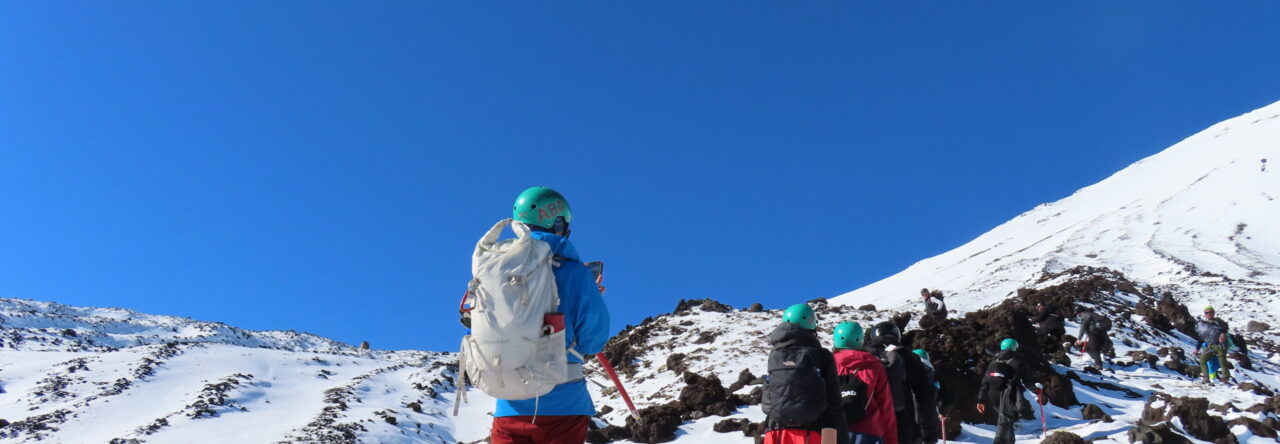
New Zealand Adventure: The Tongariro Alpine Crossing

I had a wonderful seven-day trip to Tongariro National Park, New Zealand’s North Island. My first three days were spent at Tongariro National Park, and then I spent time in Rotorua and Auckland.

Day 1 – August 4

On my first day, I arrived at Auckland International Airport almost on time. After going through the security gates, I picked up my rental car and drove to Tongariro National Park. I left the airport around 10 a.m.

I headed to Tongariro National Park, passing through beautiful green land and valleys for about five hours. On the way, I stopped at a cafe to have lunch in a small village and then arrived at a hotel in the park around 2 pm.

Skotel Alpine Resort is located right next to the park’s visitor center. It has some great facilities, including a kitchen lounge, a sauna, and a spa. Most of the guests were there to enjoy the nearby ski slopes in winter.
Day 2 – August 5

The weather was nice. I stopped by the visitor center to check the hiking trail for the day. This hike would be a good warm-up and a chance to see how I was feeling before the next day’s adventure.
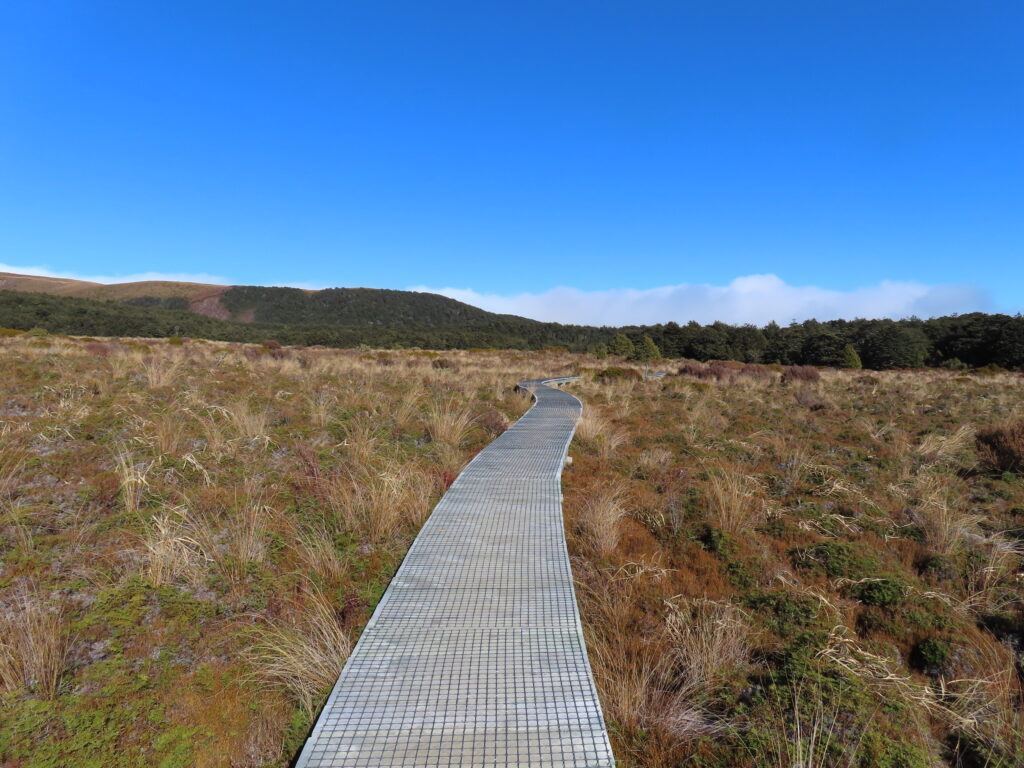
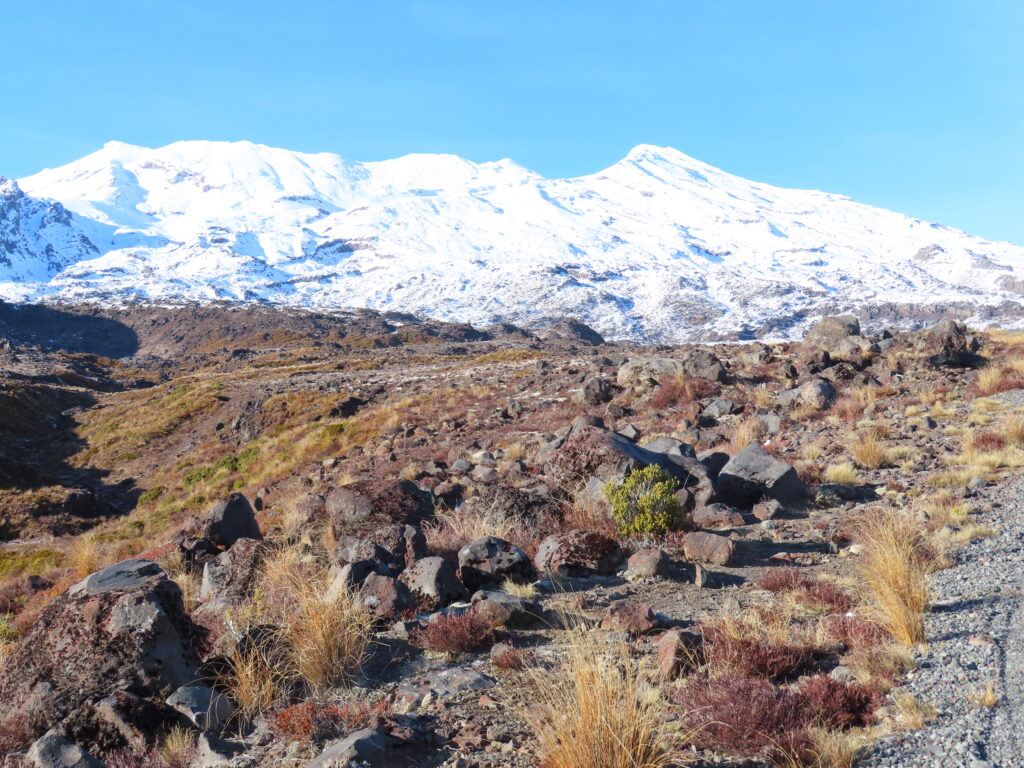
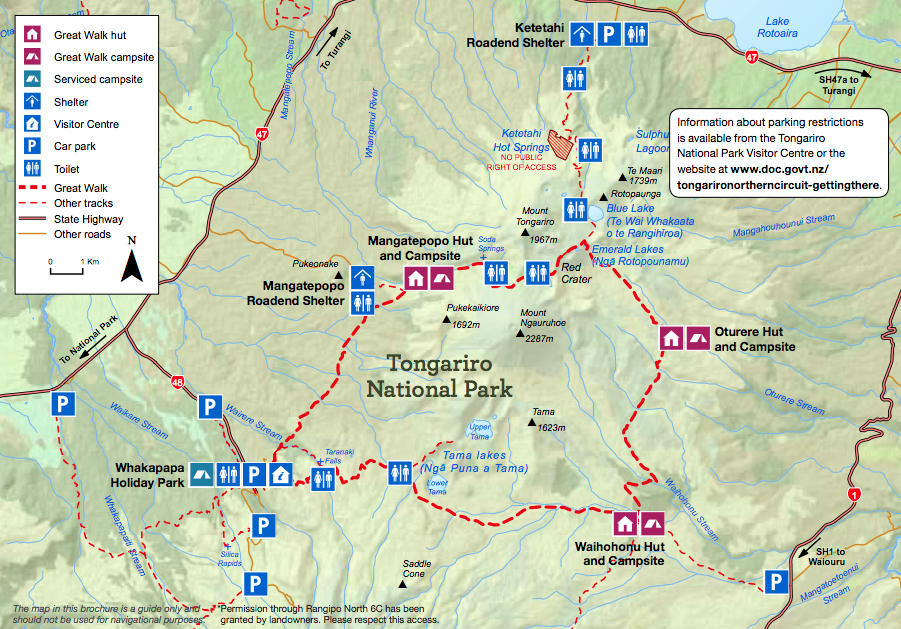
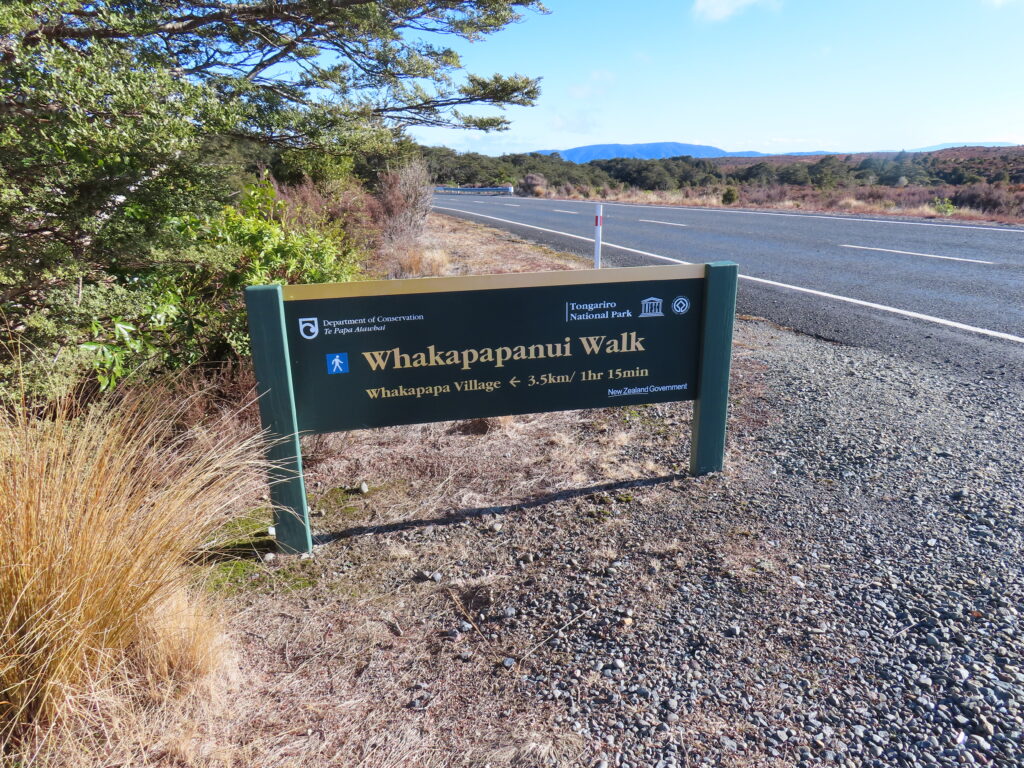
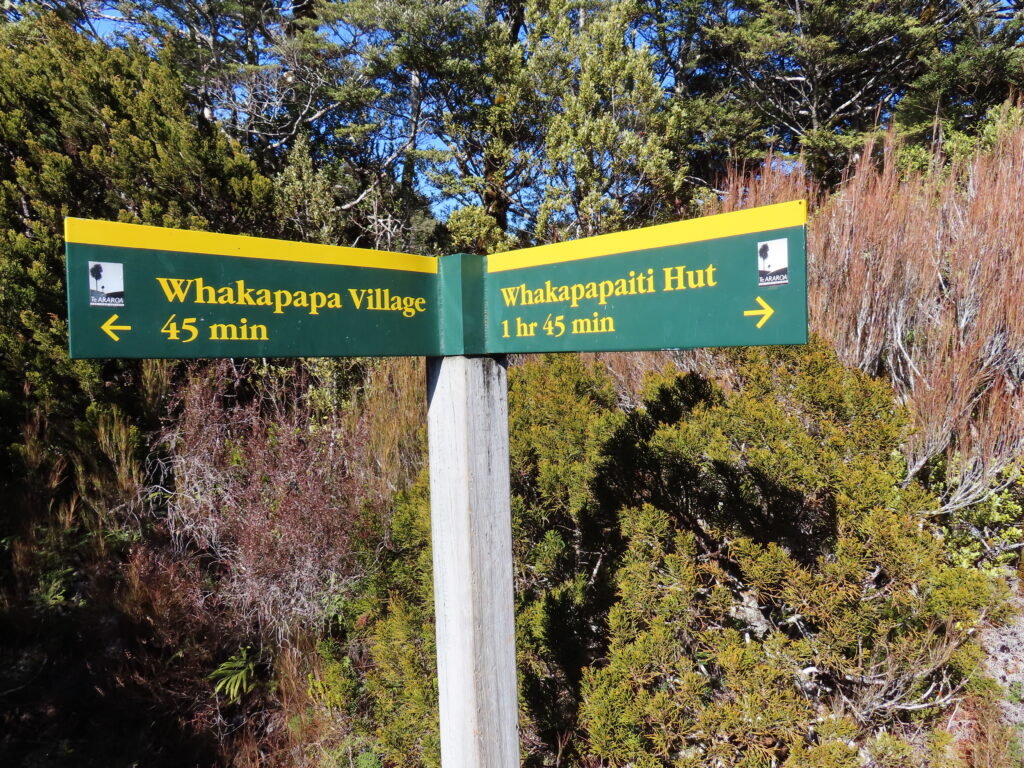
I took the trail toward Waihohonu Hut. According to the information board, it takes about two hours to reach the hut. I arrived at the trailhead at 9:00 a.m. and set off toward the hut. After about four hours of hiking, I returned to the trailhead around 2:00 p.m. I felt fine and had no physical problems. I was ready to go.
After a four-hour hike, I stopped at a small grocery store inside a gas station in a village near the park and grabbed some food for dinner.

While I was preparing some lamb to cook later in the kitchen lounge, a guy said to me, “That’s some nice lamb. Are you going to cook it in a pan?”

I said, “Yes, I am.”

Then he suggested, “You should try cooking it outside on a BBQ grill.”

I hadn’t noticed that there was a BBQ grill set up outside.

He went outside to show me the grill, and I followed him. He cut off a bite-sized piece of his lamb for me to try. I took a bite and said, “Wow! It tastes better, and the texture is much nicer than when it’s cooked in a pan.”

So, I decided to cook my lamb on the BBQ grill instead of in a pan. We ended up having dinner together at the same table that evening.

New Zealand Beer
New Zealand has an amazing variety of beers, with all kinds of unique tastes and flavors. My favorite is hazy IPA, which has a distinctive fruity flavor that I really enjoy.

While having dinner, I received an email from the mountain guide agency I had signed up with. Climbing Mt. Ruapehu the next day was the main purpose of this trip.

The email said:

“Unfortunately, we have had to cancel tomorrow’s Ruapehu tour due to snow conditions and avalanche risk.”

It also said:

“You are welcome to join tomorrow’s Tongariro Alpine Crossing, or postpone to another day if you wish.”

Unfortunately, I didn’t have enough time to reschedule the Mt. Ruapehu climb, so I decided to join the alternative activity the following day.

Day 3 – August 6

5:00 a.m. — Luckily, the weather was stable and looked even better that morning. I packed and checked all the gear I would need for the day’s Alpine Crossing hike, which would take about seven hours.

After having a substantial breakfast, I headed to the office and arrived at 6:45 a.m. The other people who had signed up for the tour arrived one after another. The guides checked everyone’s clothing and gear, including their boots and winter equipment. Once everyone was ready, we all got on the tour bus.

Our party probably had about 15 members, including two guides, One indian, two Japanese, and others Italians.

8:30 a.m.— We arrived at the trailhead. There were already several other groups there. 8:45 a.m.- Everyone was ready to start the hike.
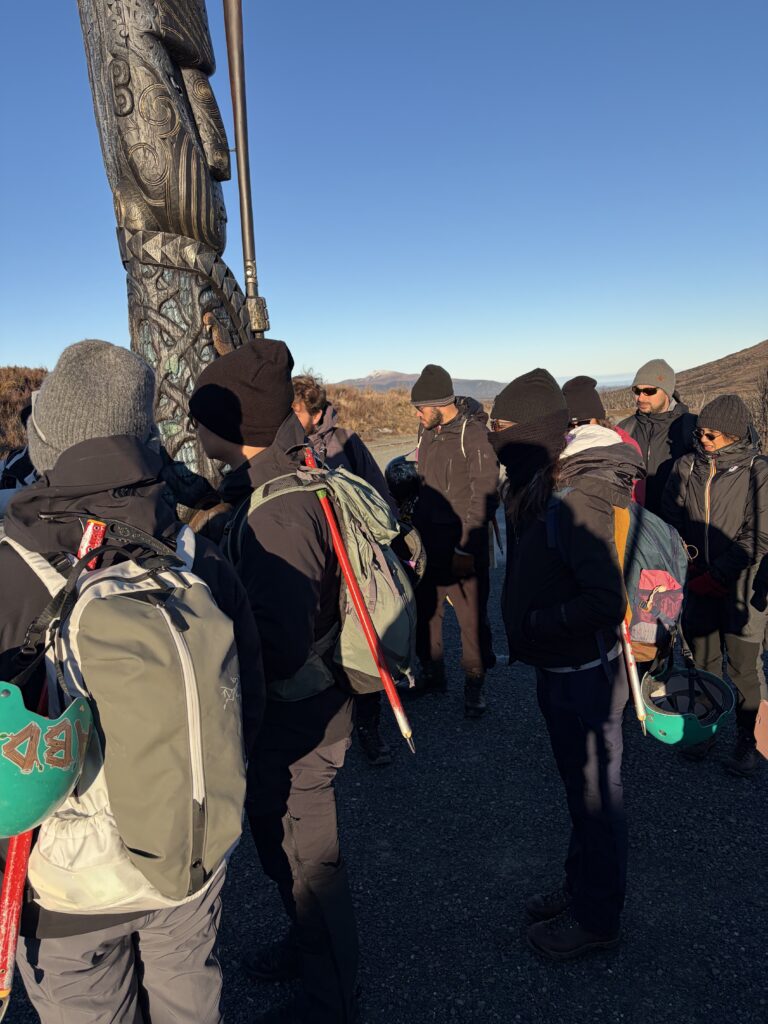
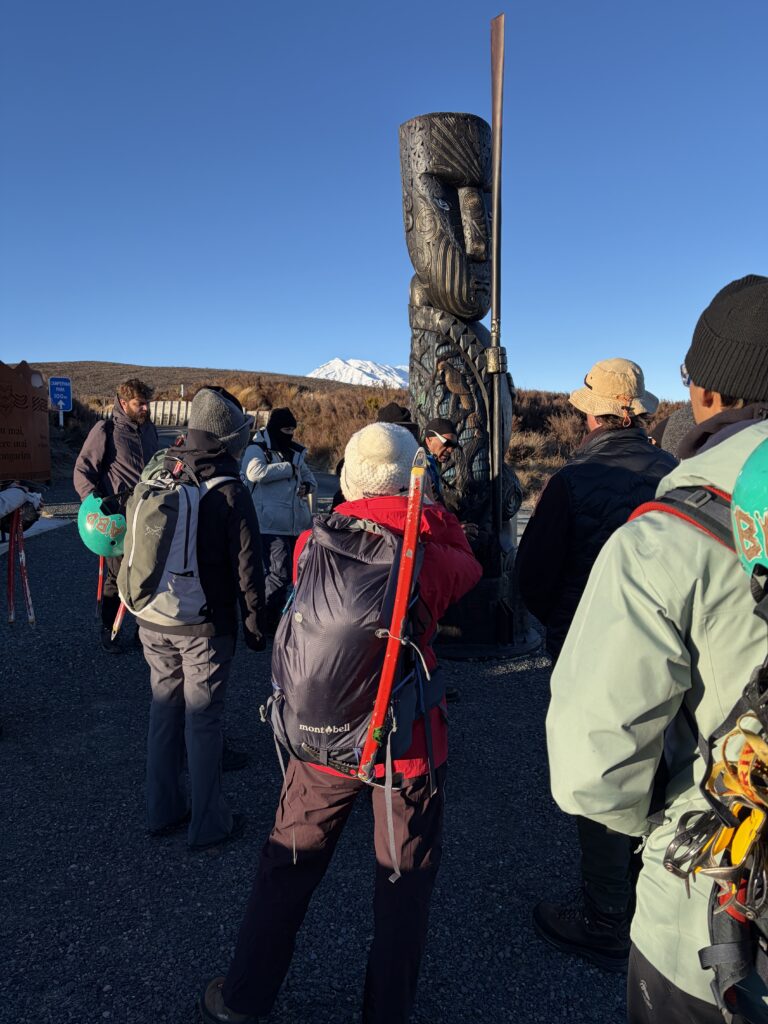
For the first hour, we walked uphill along a well-maintained trail. Some sections of the trail crossed long wooden boardwalks that protect the plants in the wetlands during the summer. In winter, however, the ground underneath was covered with ice and snow.
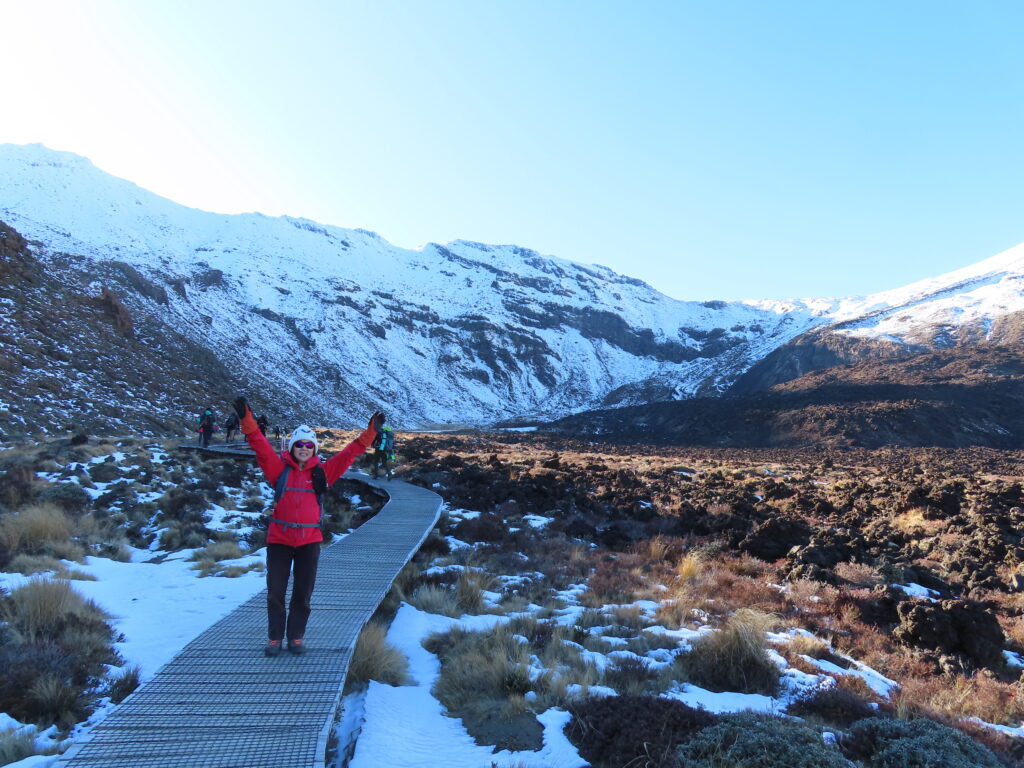
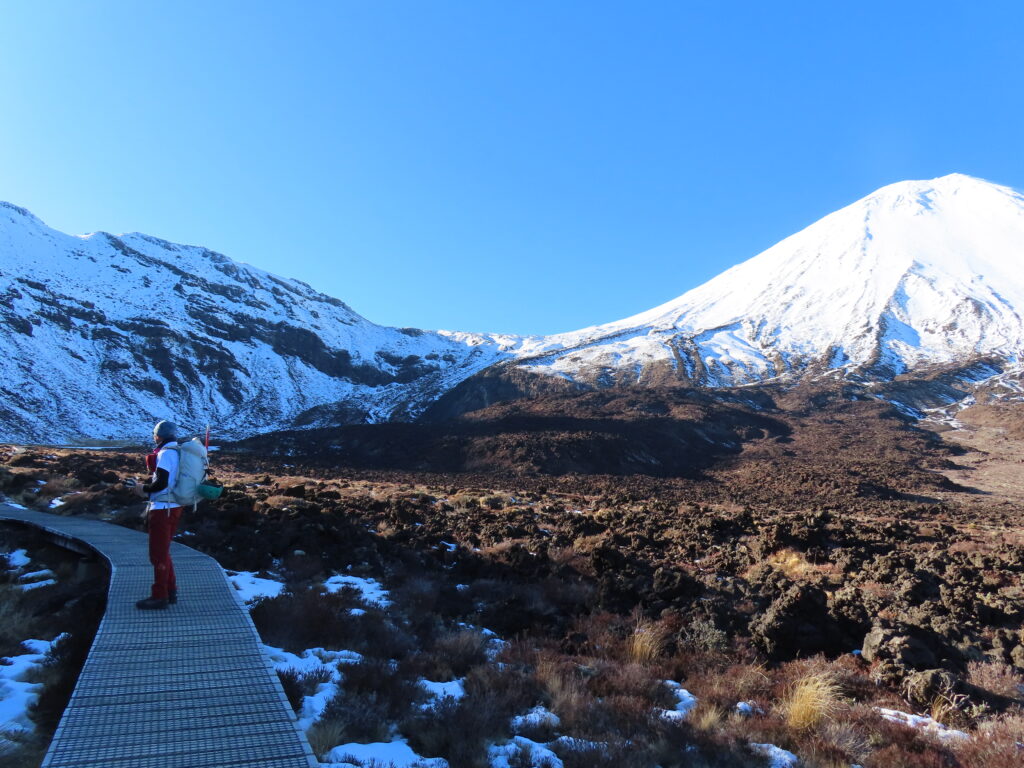
10:00 a.m. — Bathroom break. Everyone took off one layer to avoid overheating as the temperature began to rise. After this point, there were no more toilet facilities, so we continued uphill for another hour.

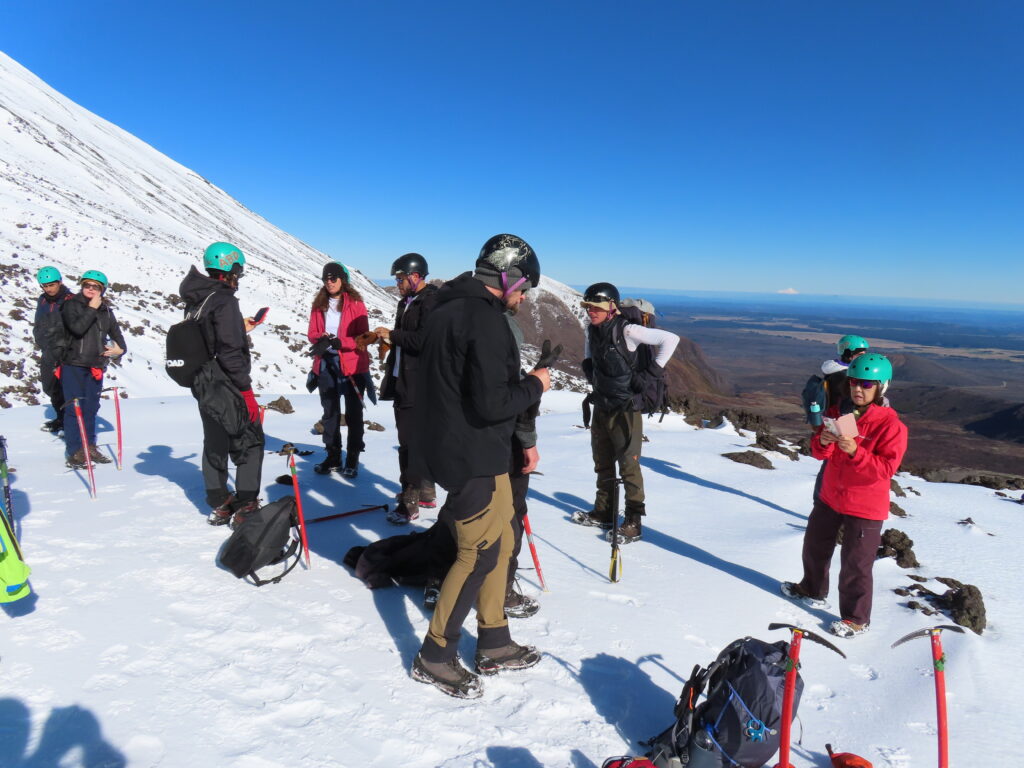
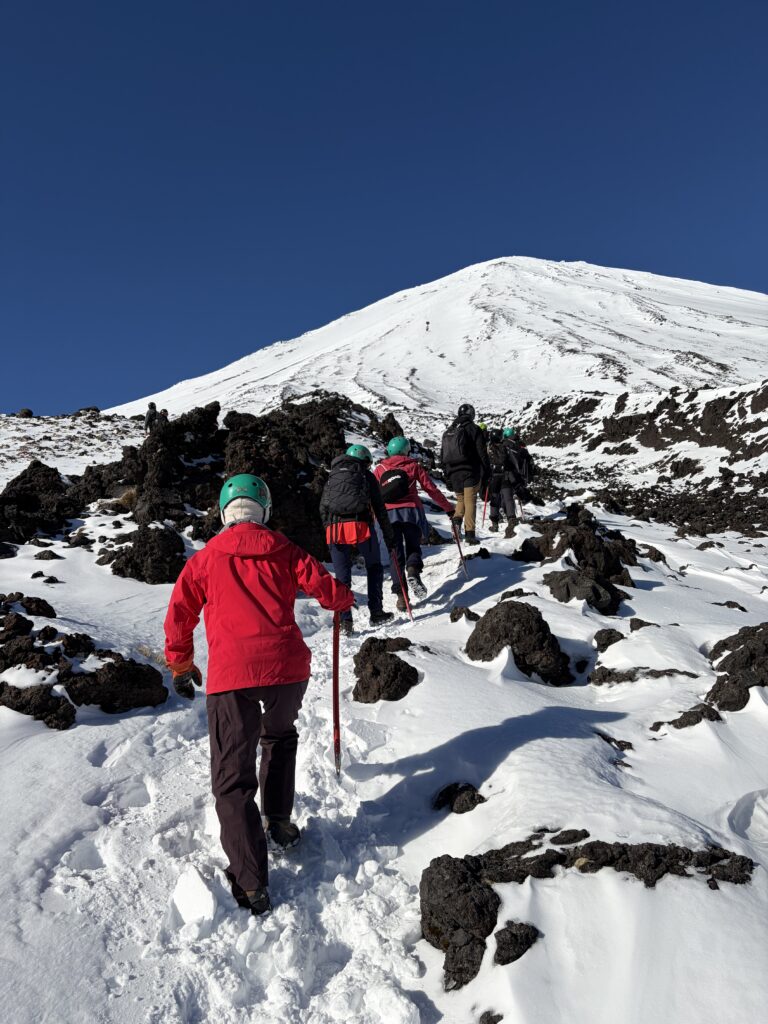
11:00 a.m. — As we gained elevation, the snowy terrain became steeper and more rugged, with jagged lava rocks underfoot. The footing became increasingly unstable, but we kept climbing for another hour.
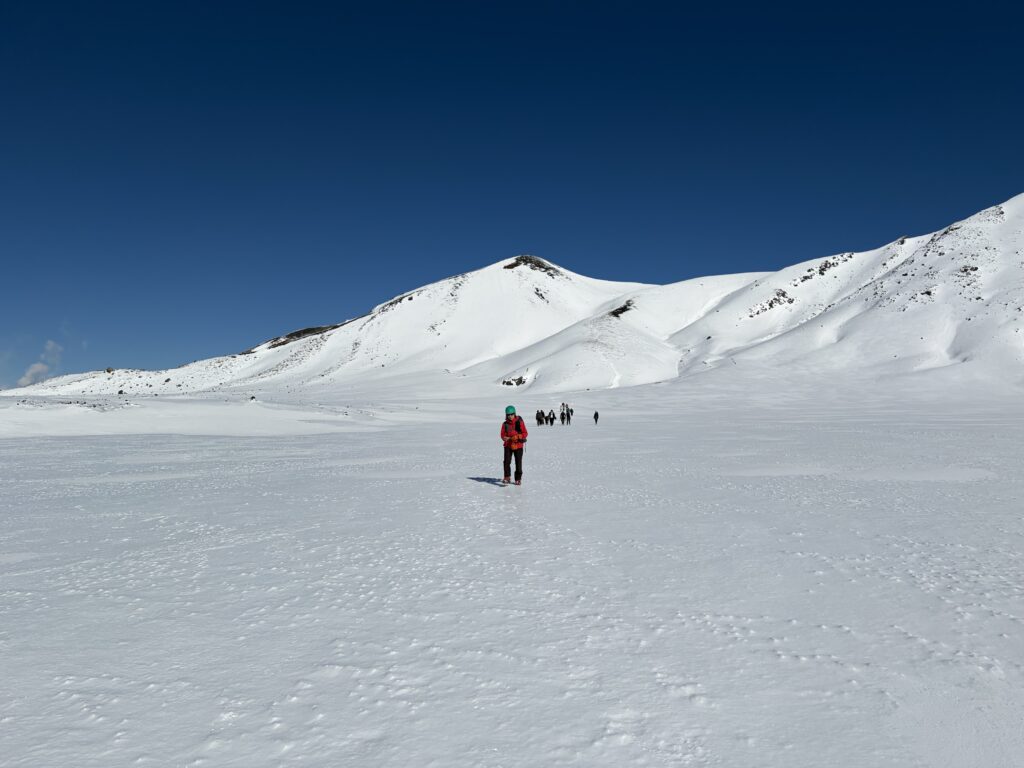
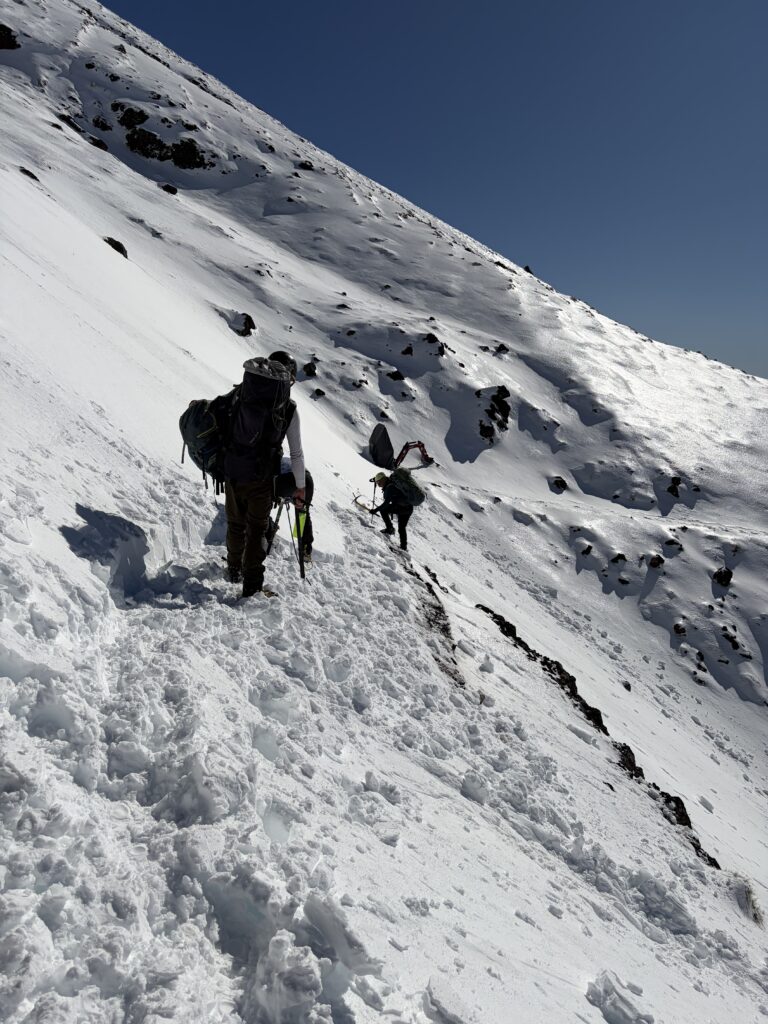
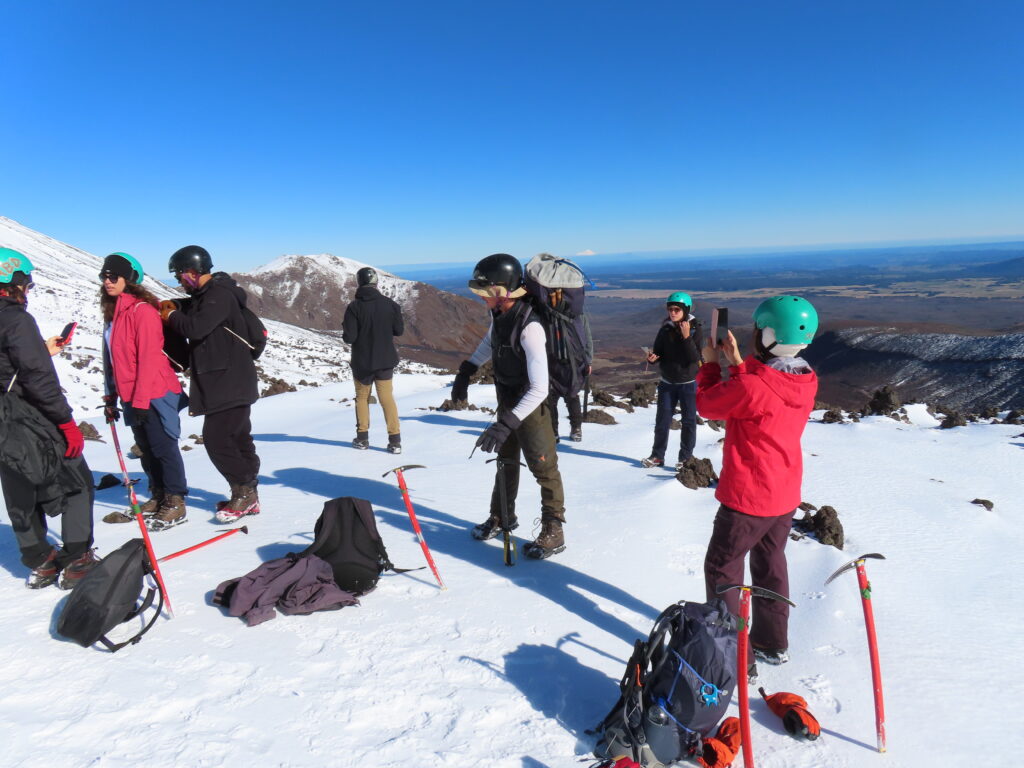
12:00 p.m. — As the snow became deeper and icier, everyone put microspikes on their boots. We continued up the steep, snowy trail for another hour. As the snow became even deeper and icier, we switched from microspikes to crampons.
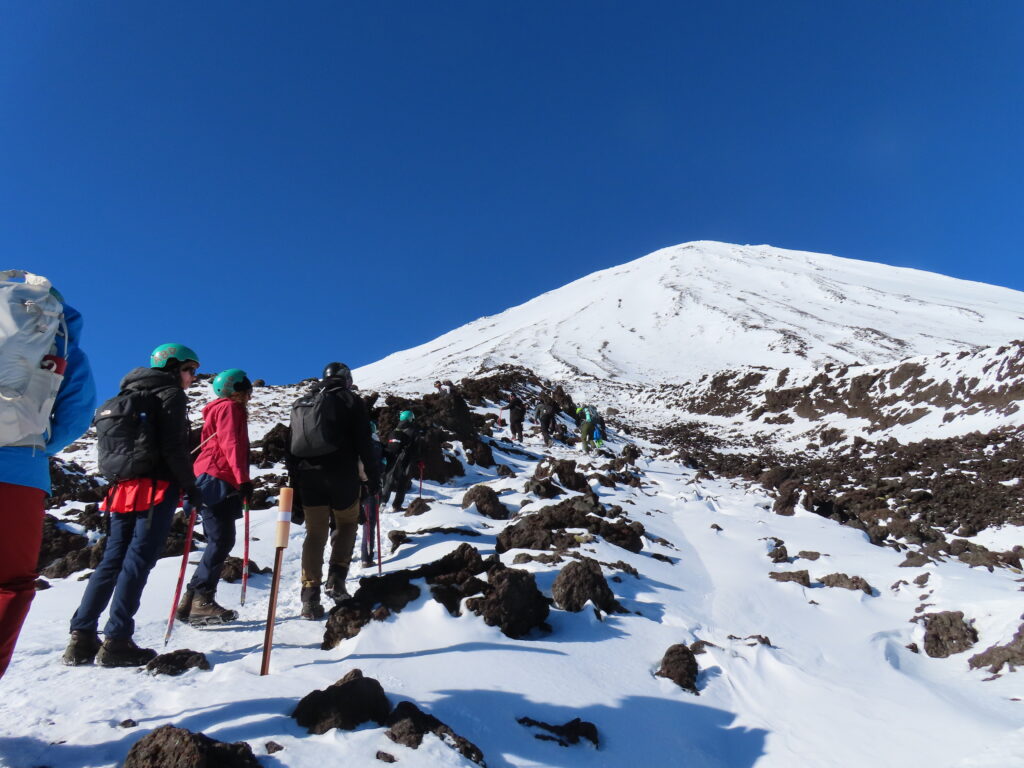
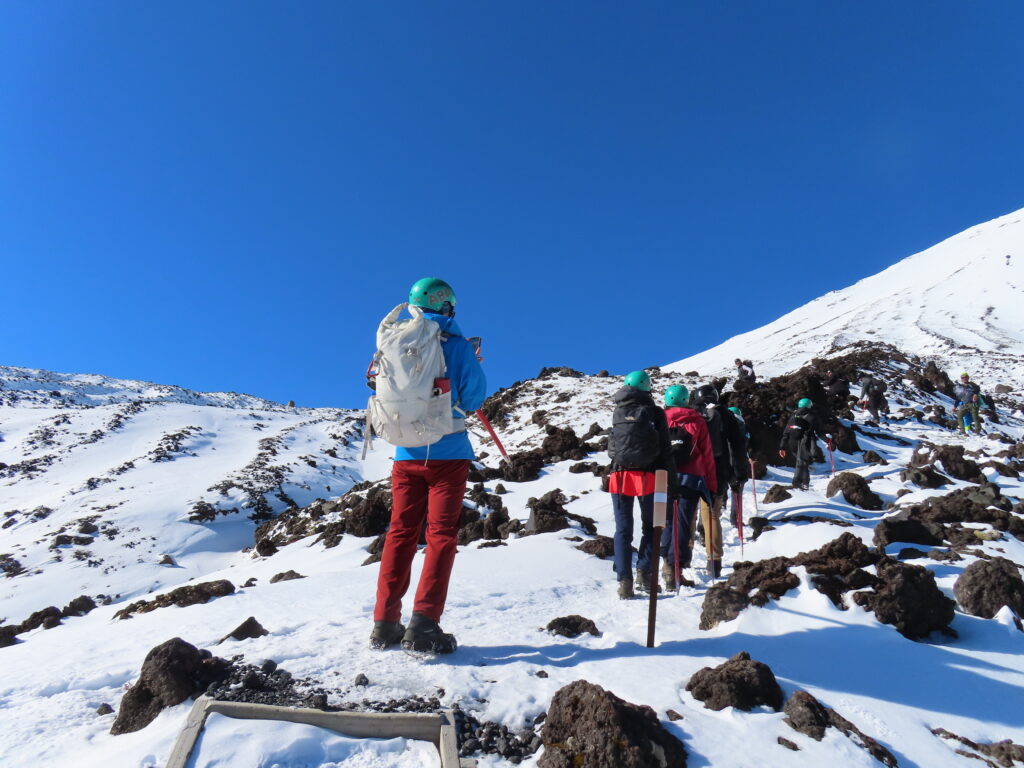
1:00 p.m. — We continued up the snowy wall, moving step by step and carefully finding secure footing in the deep snow. However, the crampons did not work well in the fresh snow, which made the climb quite challenging.

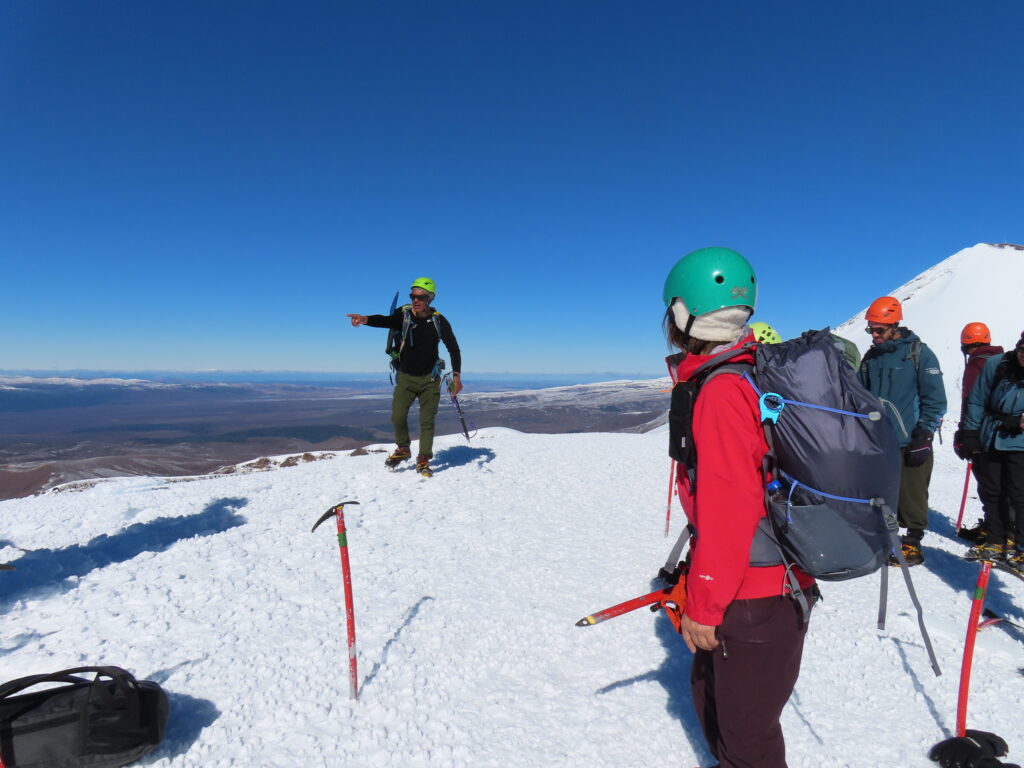
We finally reached the highest point of the Alpine Crossing. The view from the top was absolutely breathtaking. I could see two beautiful lakes in the distance and a huge, snow-covered crater just below us. The crater is green in summer, but it was completely covered in snow that day. p.m
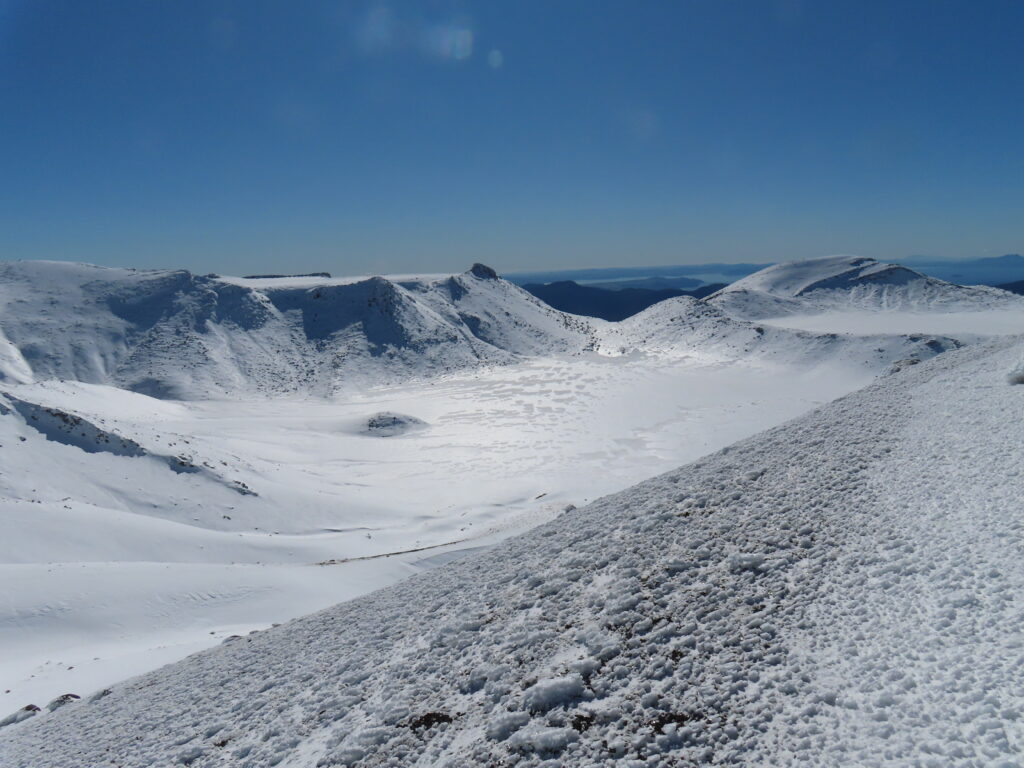
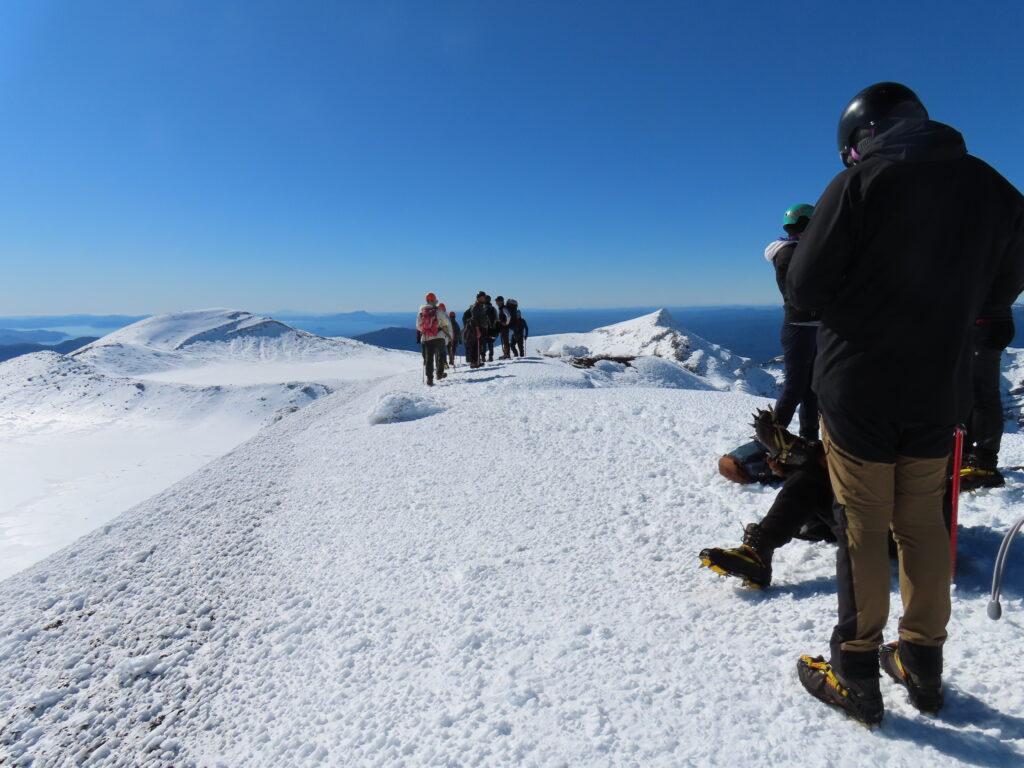
1:30 p.m. — We descended into the crater and took a 30-minute lunch break. After lunch, we crossed the crater and began the long descent. The next four hours were tougher than the ascent, both physically and mentally. My legs were already tired from the climb, and the steep, uneven, snow-covered trail made every step demanding. I had to stay focused and carefully watch my footing all the way down. It felt like the descent would never end.
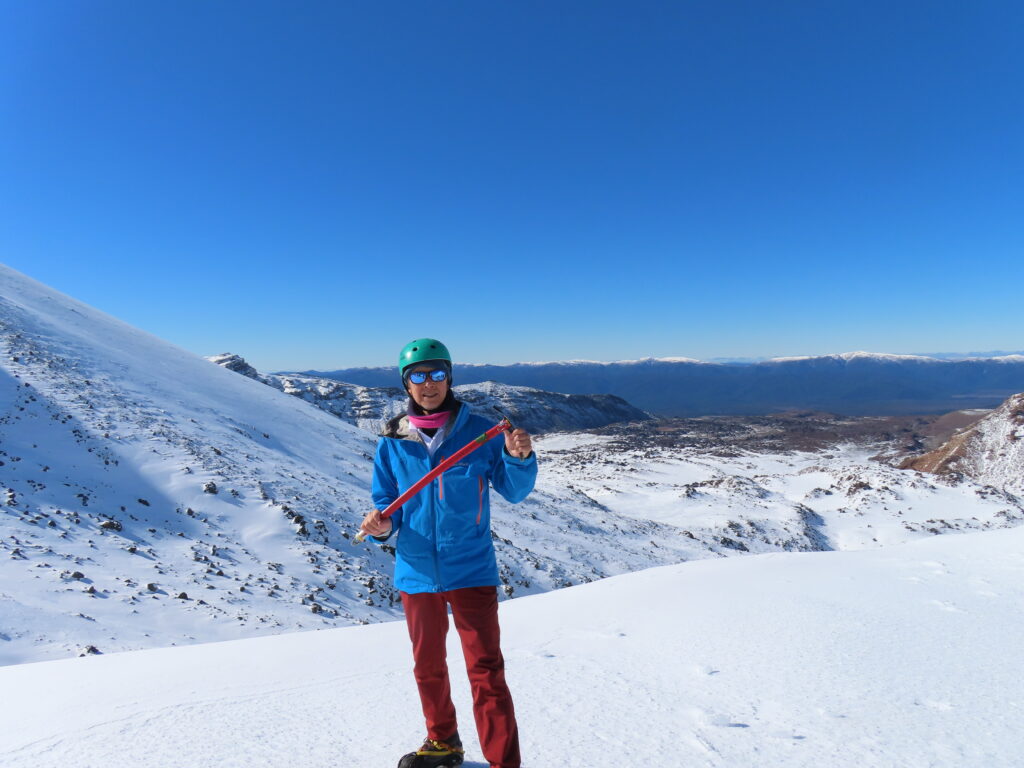
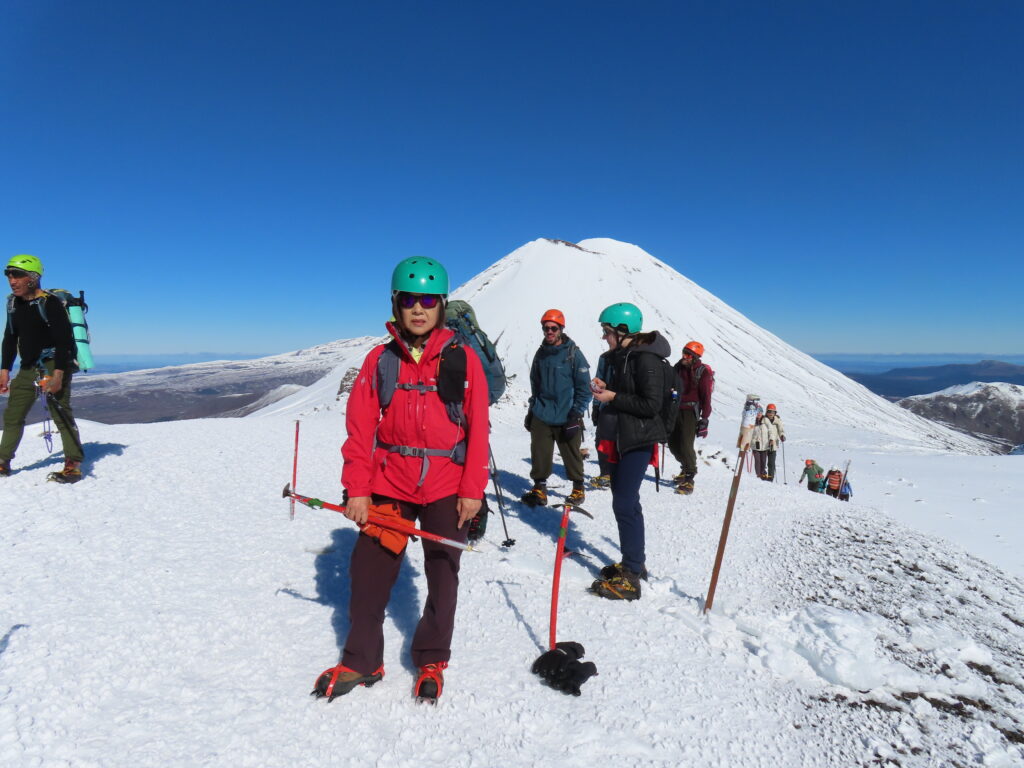
We continued along the Alpine Crossing all the way to the endpoint, where the tour bus was waiting to pick us up.

5:00 p.m. — We made it!

Day 4 — August 7, Rotorua

I headed to Rotorua, about a three-hour drive from Tongariro National Park.

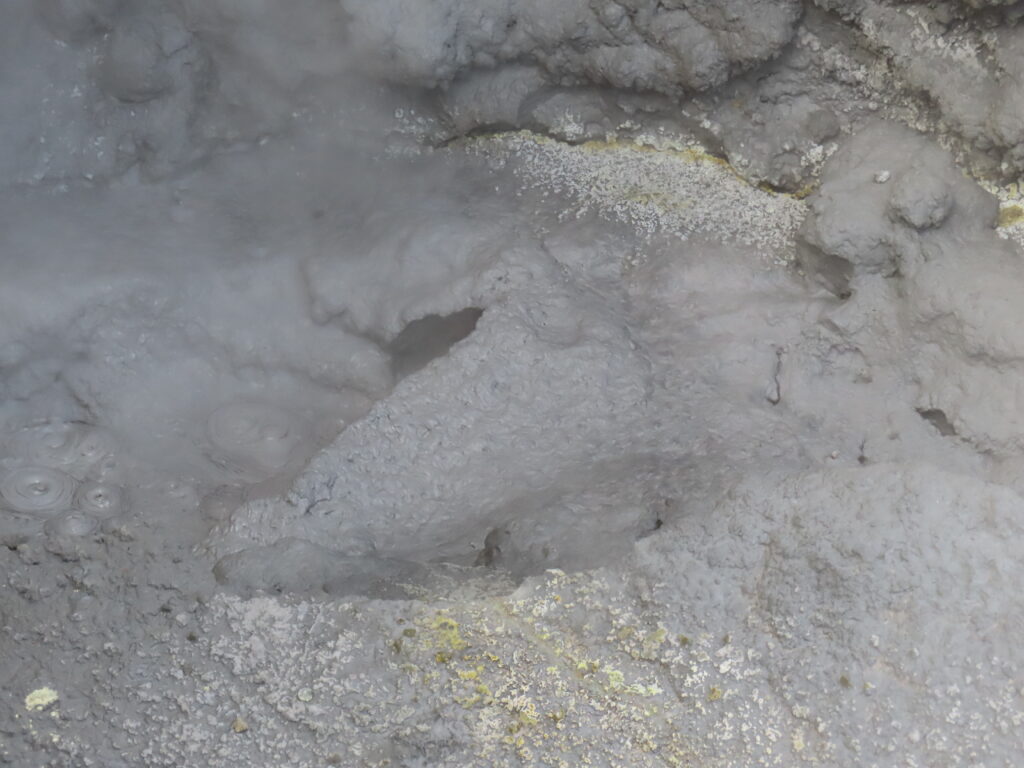
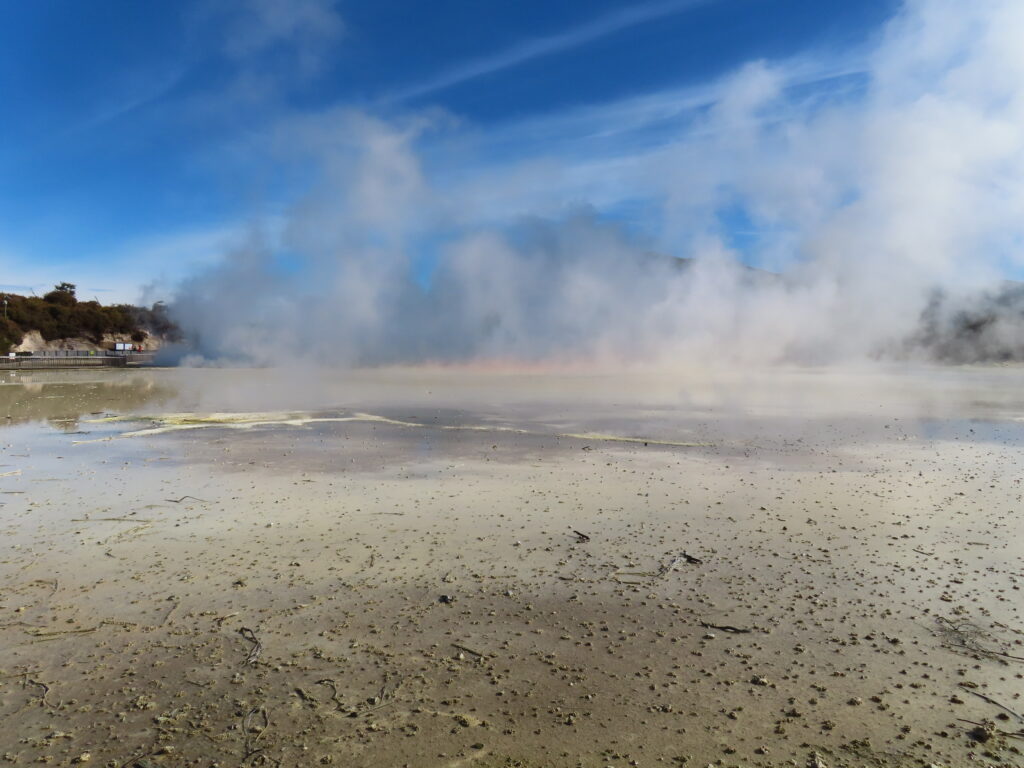
Rotorua is a world-famous destination known for its spectacular geothermal landscapes. As I got closer and closer to Rotorua, I could see steam rising from numerous vents. It almost looked like smoke coming from an industrial area.

I visited one of the geothermal attractions, Wai-O-Tapu Thermal Wonderland, in Rotorua.
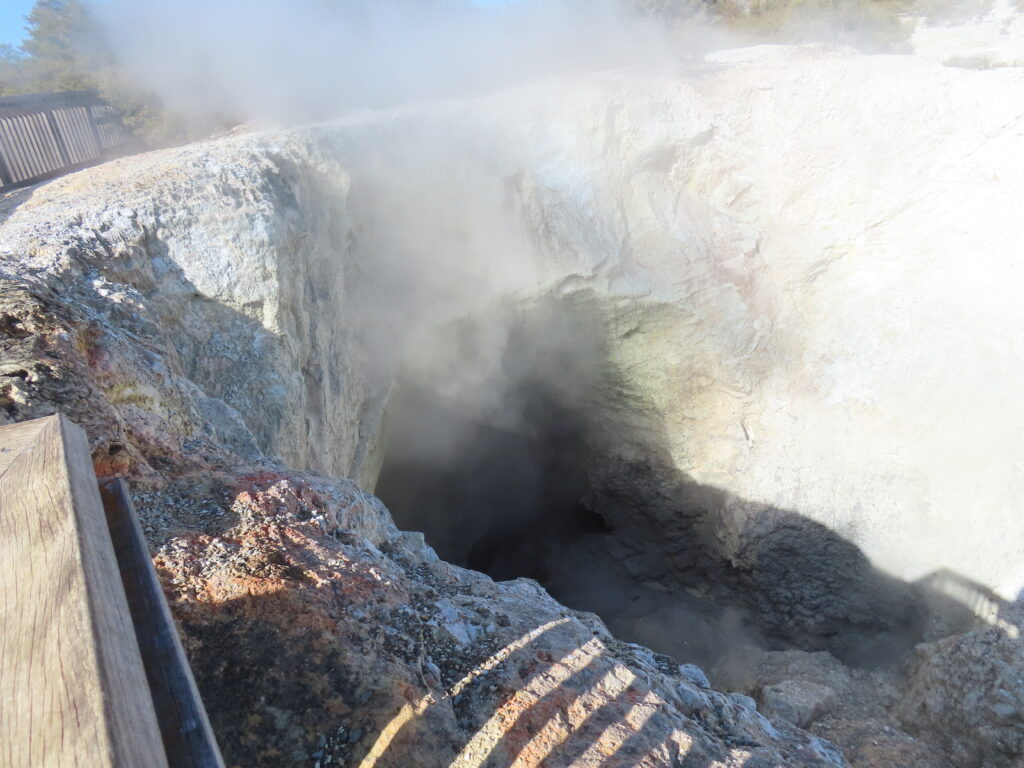
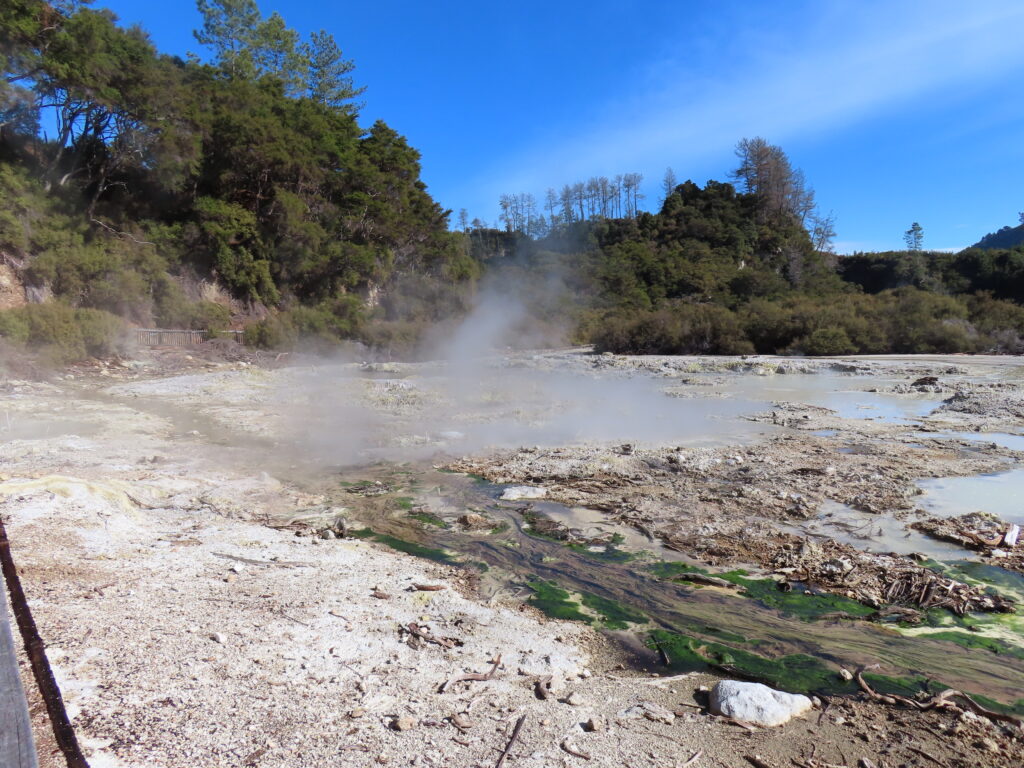
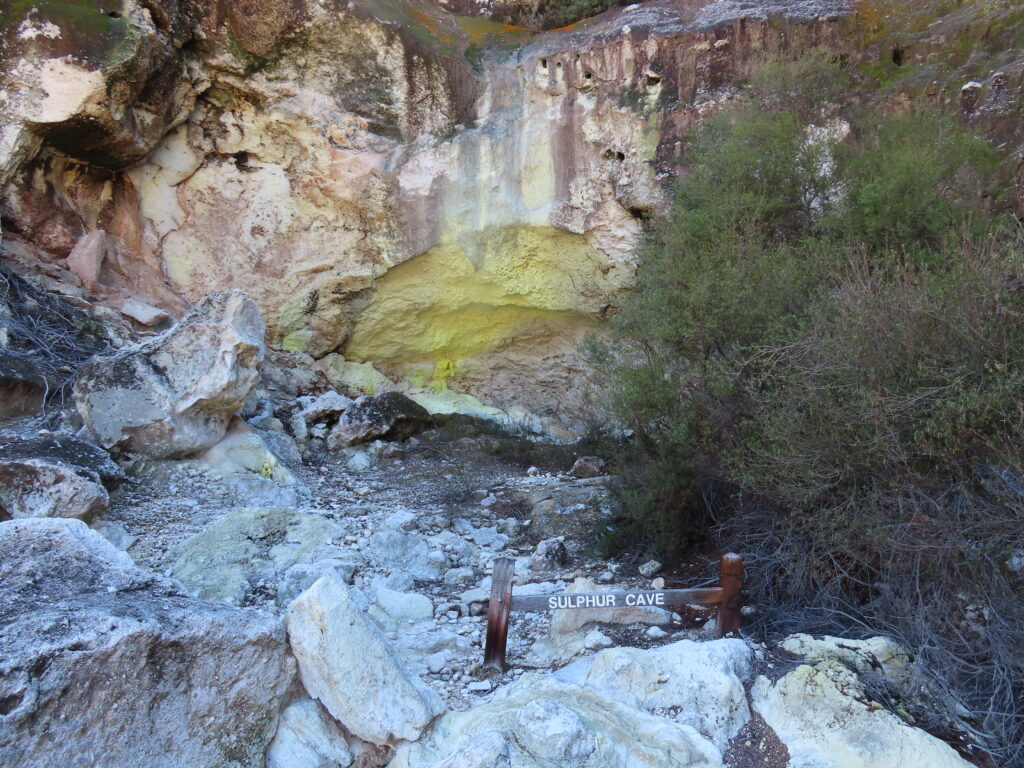
This geothermal landscape has been formed by volcanic activity over thousands of years. It showcases one of New Zealand’s most colorful and diverse geothermal systems, creating a truly unique landscape.

There are geothermal pools everywhere, with steam rising here and there, as if the ground were boiling. One of the pools had something floating on the surface that looked like crude oil. It was my first time seeing anything like that. There was an information board for visitors explaining what it was, so I stopped to read it.

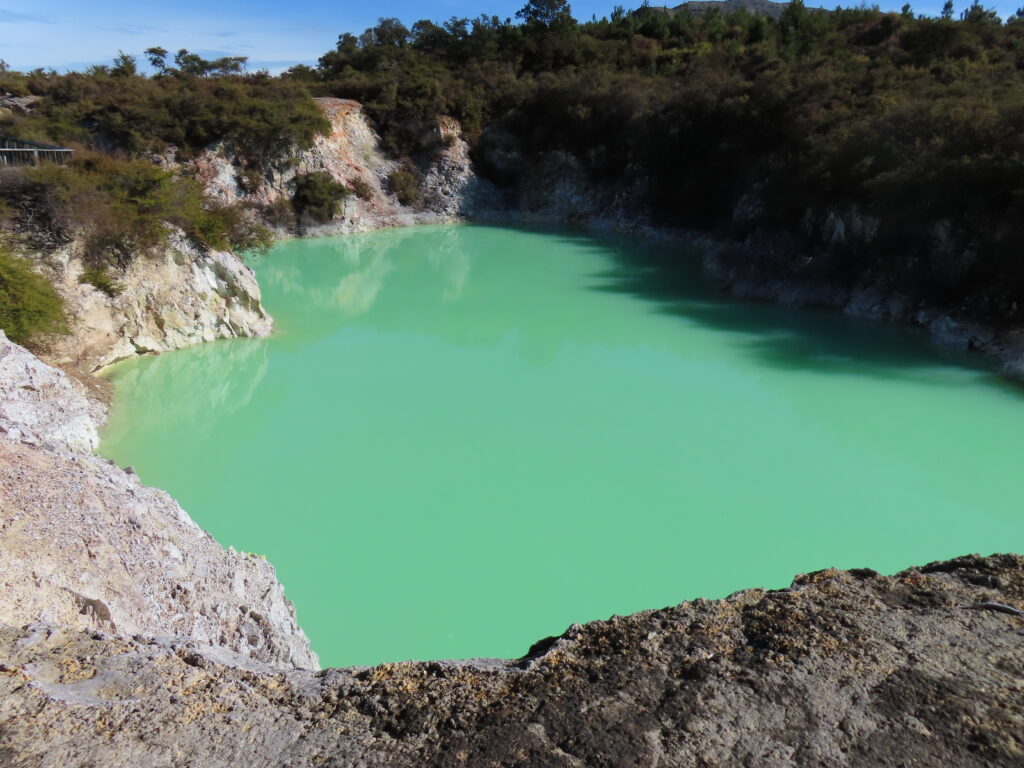
There was also a green pool. According to the information board, its green color came from green algae.
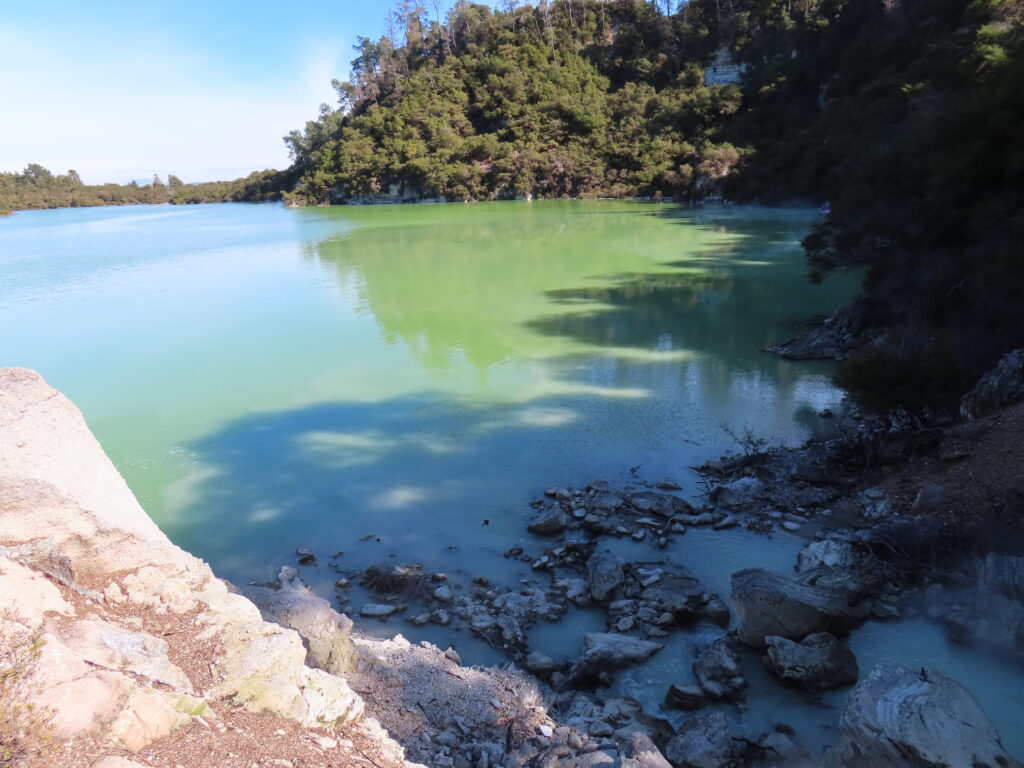
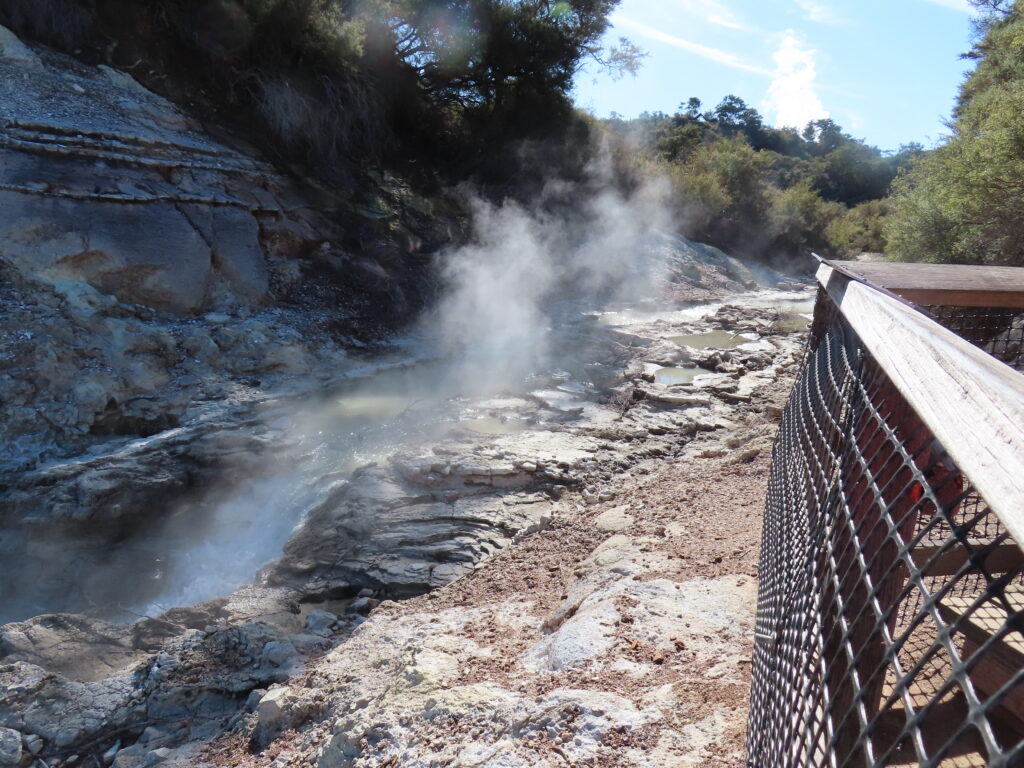
As you know, Japan also has many geothermal areas. However, the smell of sulfur in Rotorua’s geothermal areas was much milder than what I’m used to in Japan.

I enjoyed the hot spring spa in Rotorua.

Days 5–6 — August 8–9, Auckland

I enjoyed exploring Auckland for two days and left for Japan on August 10.

Afterword

Thank you, Sachi, for joining me on this trip to New Zealand. I really hope you enjoyed the challenging adventure of the Tongariro Alpine Crossing and came away feeling happy and satisfied with the experience.

Our two professional guides were both great guys, especially Kenny, who has nine children—seven of them boys. He told me that he has great respect for Japanese people because his son plays rugby for Toshiba Electric Company in Japan while living in a Japanese community.

Kenny was always paying attention to you and looking out for you. He carried your backpack when you needed help and often asked, “Are you OK?”

I really appreciated how caring and attentive he was throughout the hike.

Thank you again, and our next adventure: Switzerland.
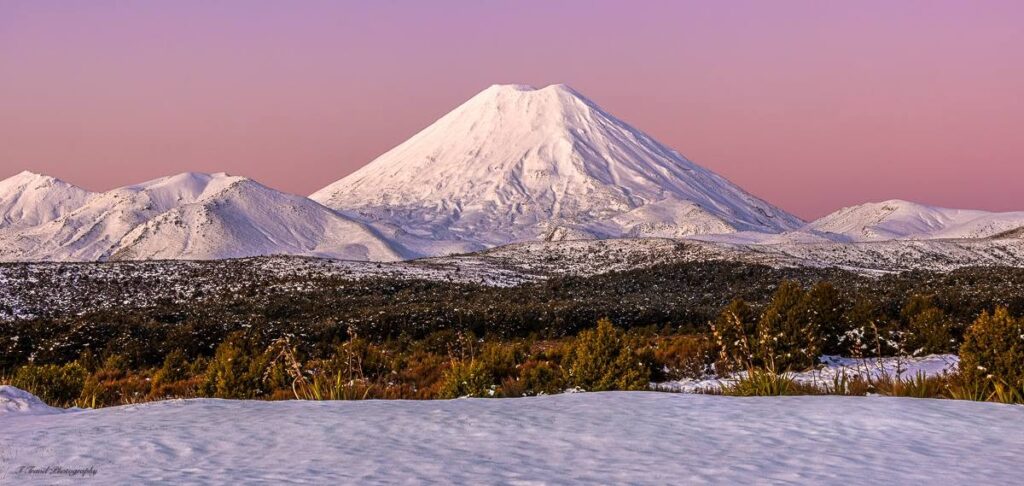
Back to New Zealand: Chasing Another Winter Adventure


Tongariro National Park, North Island, New Zealand

Tongariro National Park is home to three active volcanoes and some of New Zealand’s most iconic and majestic landscapes. Designated as a Dual World Heritage Site for both its natural beauty and cultural significance, the park has attracted adventurers from around the world since 1887.

This winter, I’ll be spending seven days in New Zealand, with my main goal being to attempt the summit plateau of Mt. Ruapehu (2,700 m).

I’m looking forward to another winter adventure in New Zealand. Here’s the plan for my seven-day journey.
Flights

Tokyo (Narita) → Auckland

Flight: NZ90
Departure: 8:00 p.m., Monday, August 3, 2026
Narita Airport, Terminal 1, Tokyo, Japan

Arrival: 9:25 a.m., Tuesday, August 4, 2026
Auckland International Airport

Auckland → Tokyo (Narita)

Flight: NZ99
Departure: 10:15 a.m., Monday, August 10, 2026
Auckland International Terminal

Arrival: Monday, August 10, 2026
Narita Airport, Terminal 1, Japan


Itinerary

Day 1 – Tuesday, August 4

  • Arrive in Auckland and pick up a rental car from the Alamo New Zealand desk at the airport.
  • Drive to Tongariro National Park.
  • Check in at Skotel Alpine Resort.

Day 2 – Wednesday, August 5

  • Visit the Tongariro National Park Visitor Centre.
  • Meet with Adrift Tongariro, the professional guiding company, to confirm details for the Mt. Ruapehu climb.
  • Overnight at Skotel Alpine Resort.

Day 3 – Thursday, August 6

Day 4 – Friday, August 7

Day 5 – Saturday, August 8

Day 6 – Sunday, August 9

  • Return the rental car.
  • Enjoy a relaxing final day in Auckland.
  • Overnight at ibis Budget Auckland Airport.

Day 7 – Monday, August 10

Arrive at Narita Airport at 6:15 pm
Fly home to Japan.

“I hope the weather cooperates and allows me to stand on the summit plateau of Mt. Ruapehu. I’ll share the adventure and plenty of photos after I return.”

A Quiet Journey into Kamikochi

On March 20th, it was the spring equinox, when day and night are nearly equal in length. This reminds me of how our solar system works—the Earth orbits the Sun, creating the seasons.

I live at an elevation of about 1,500 meters, deep in the woods. At night, I can clearly see the constellations slowly moving from east to west across the sky. The position where the Sun rises also changes with the seasons.

After a long winter, the nights are finally getting shorter, and spring has begun to arrive. Up here, it feels like it has come just a little earlier than last year.

A Spring Hike with Sachi, on March 21st

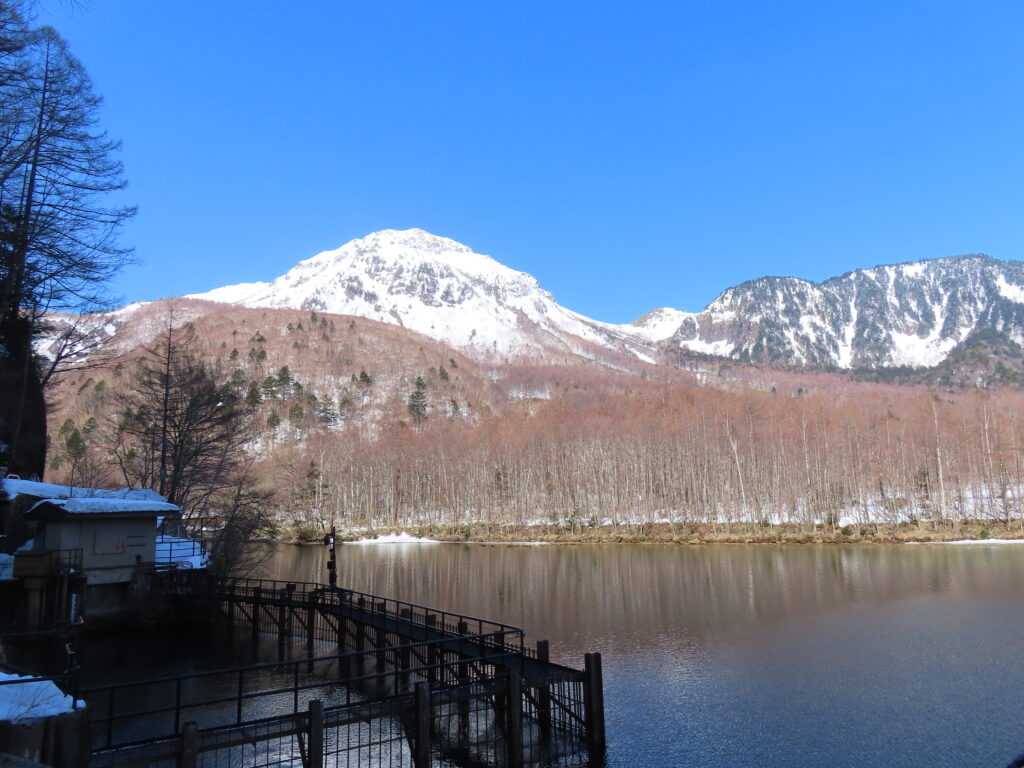
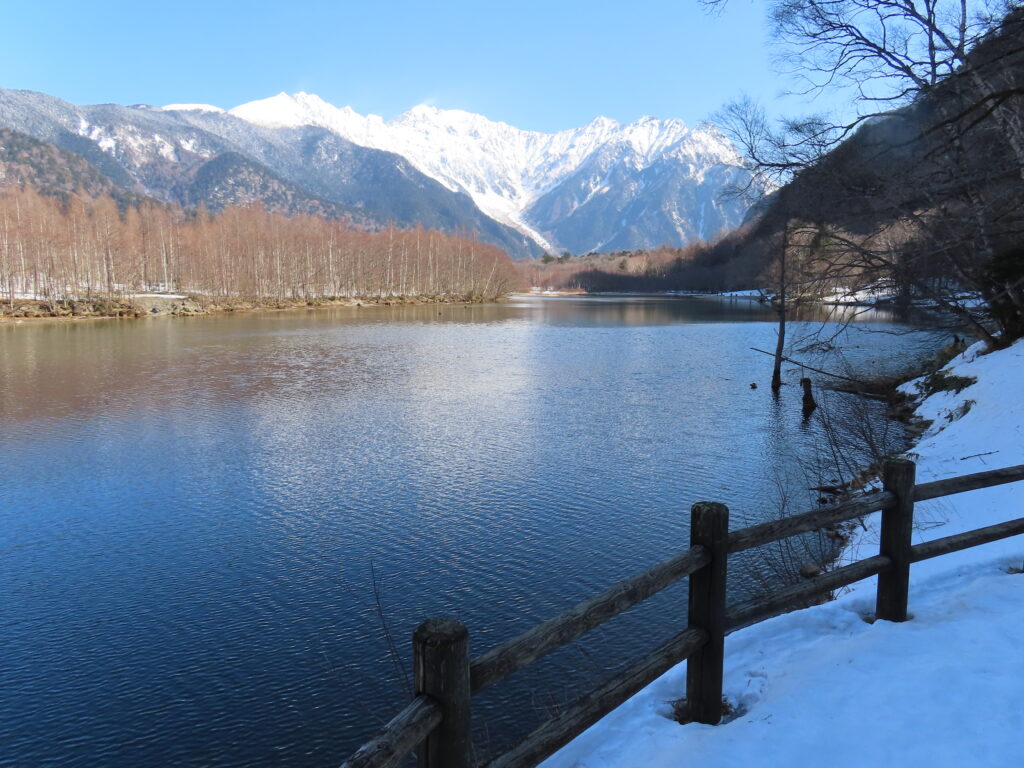
On an early spring day, Sachi and I went hiking in Kamikochi, part of Chubu Sangaku National Park.

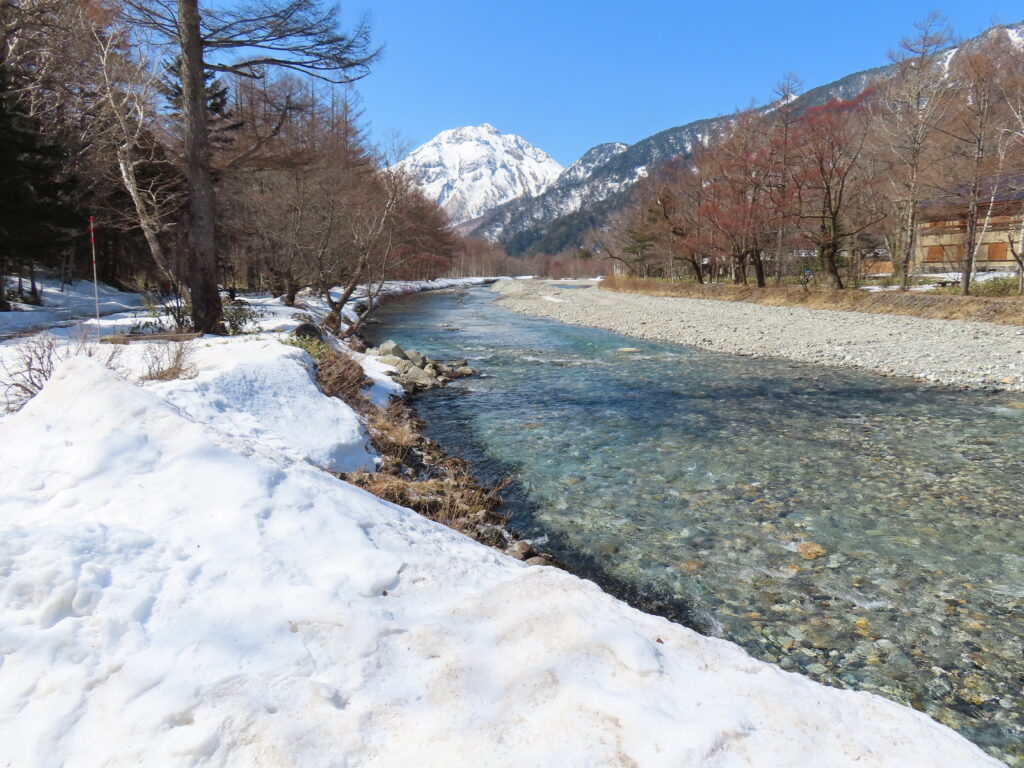
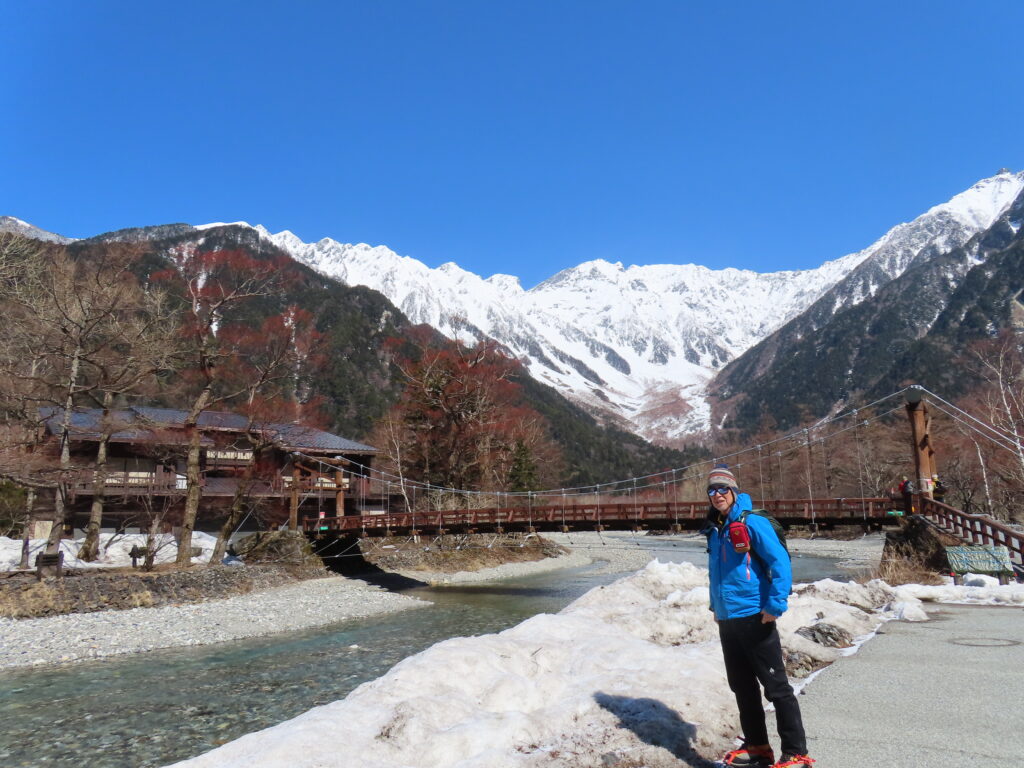
The weather was perfect: a cloudless blue sky and crisp mountain air in the valley. We started our hike by passing through two tunnels—the Kama Tunnel, about 1,300 meters long, and the Kamikochi Tunnel, around 600 meters long.

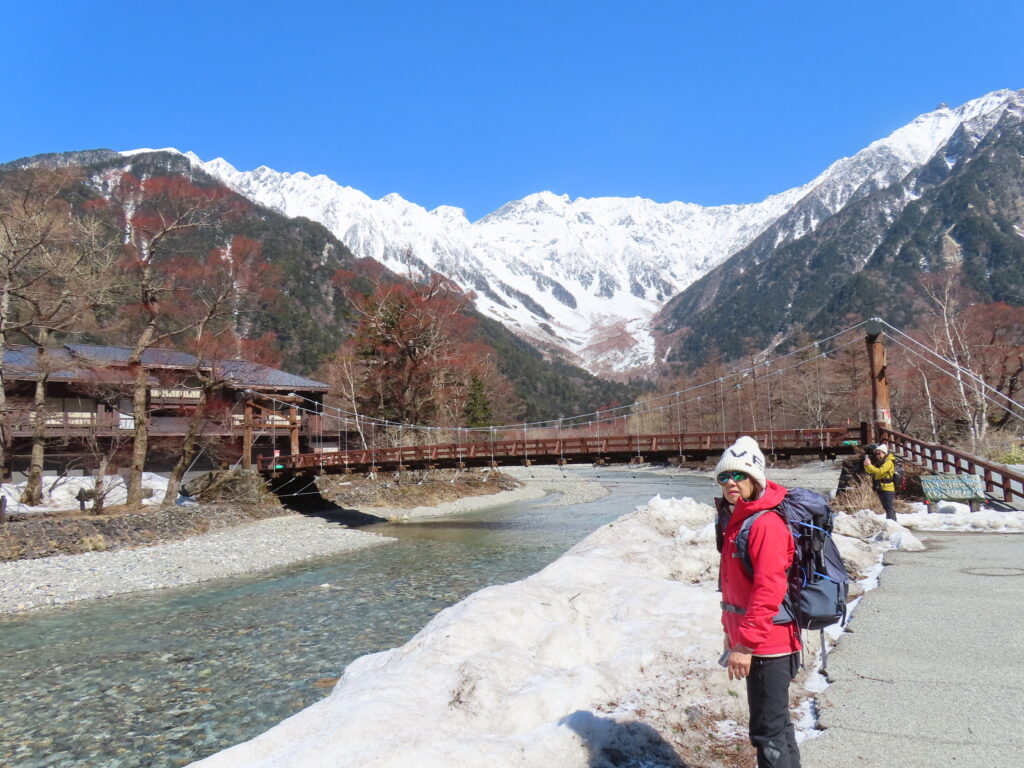
After walking along the Azusa River for about two hours, we reached the famous Kappa Bridge. From the bridge, the view of the sharp peaks of the Northern Alps rising into the sky was stunning. We sat on a wooden bench by the river and enjoyed a simple lunch of cup noodles.

Afterward, we made our way back to Nakanoyu Onsen Ryokan.

Afterword

This year, there was less snow than at the same time last year.
Thank you, Sachi, for driving and for everything you prepared.
Next winter, let’s climb Mount Yake together.

From Turning Back to the Top: A Recovery Hike at 2,531m

Introduction: A Perfect Forecast and a Personal Test

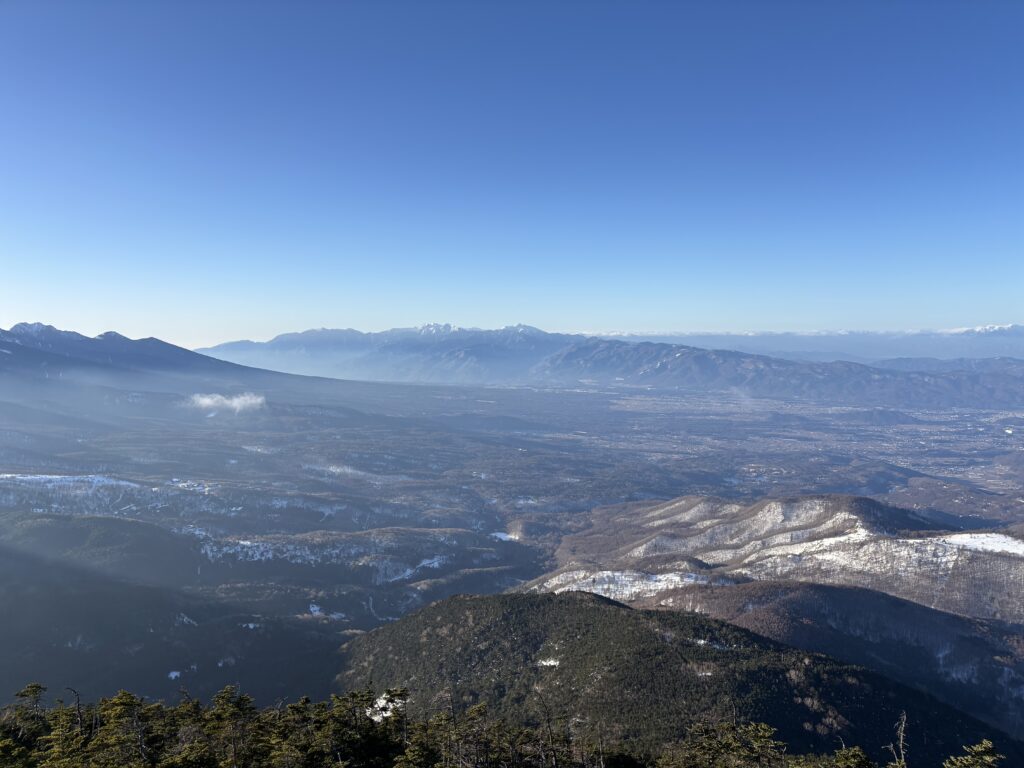
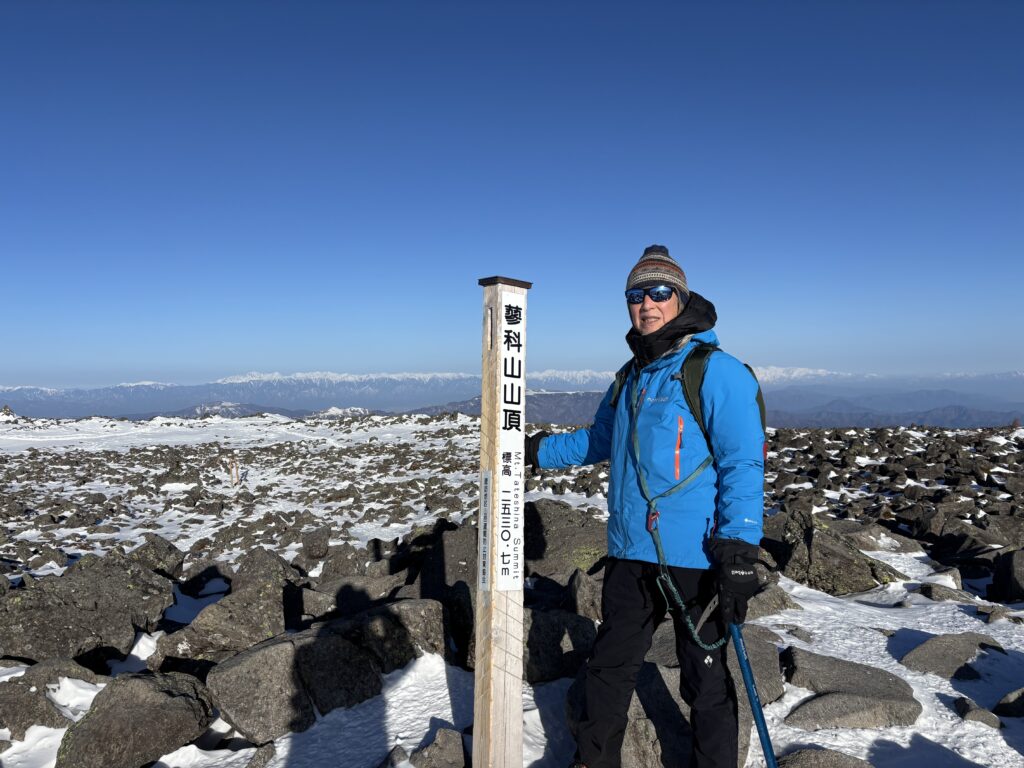
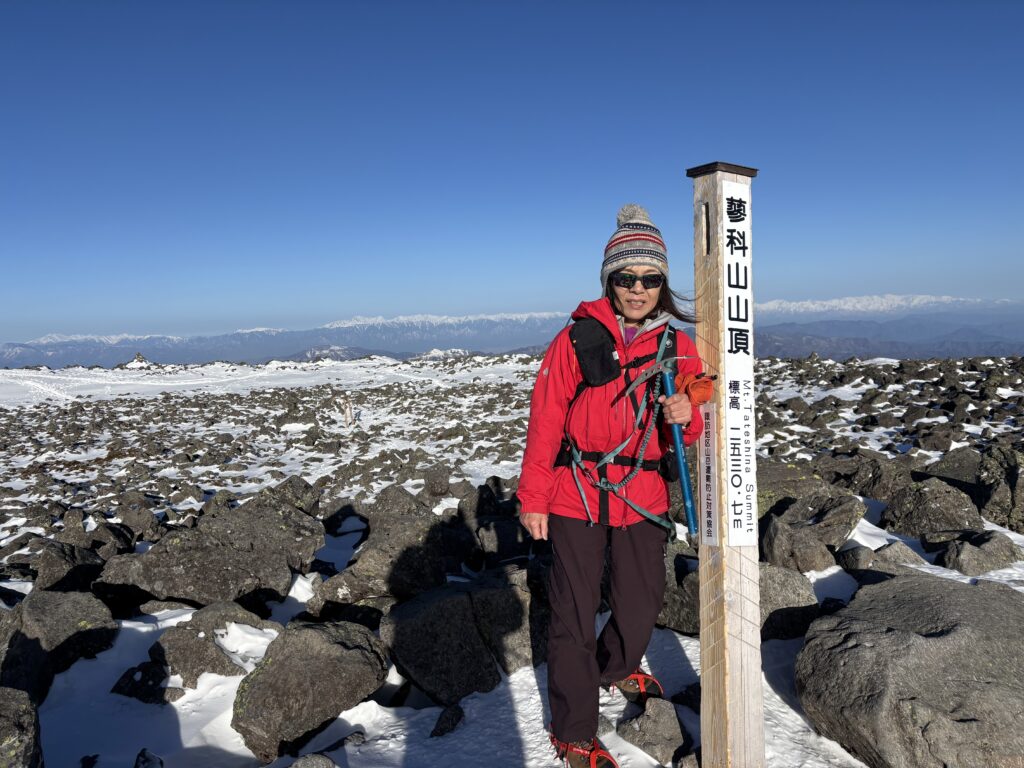
There is nothing quite like the weather, a clear blue sky to pull you back to the mountains. This past Sunday morning, Sachi and I found ourselves standing at the windy, snow-swept summit of Mt. Tateshina, taking in the panoramic views at an elevation of 2,531 meters.

However, this trip was about more than just reaching the peak; it was a personal test. During our previous hike at Mt. Tengu-dake, I experienced some persistent discomfort in my legs and back, eventually forcing us to turn around halfway. It’s never easy to cut a hike short, so when the weekend forecast for Tateshina promised perfect conditions, I knew it was the right time to see if my body had recovered.

The Ascent: A snowy and craggy Steep Climb

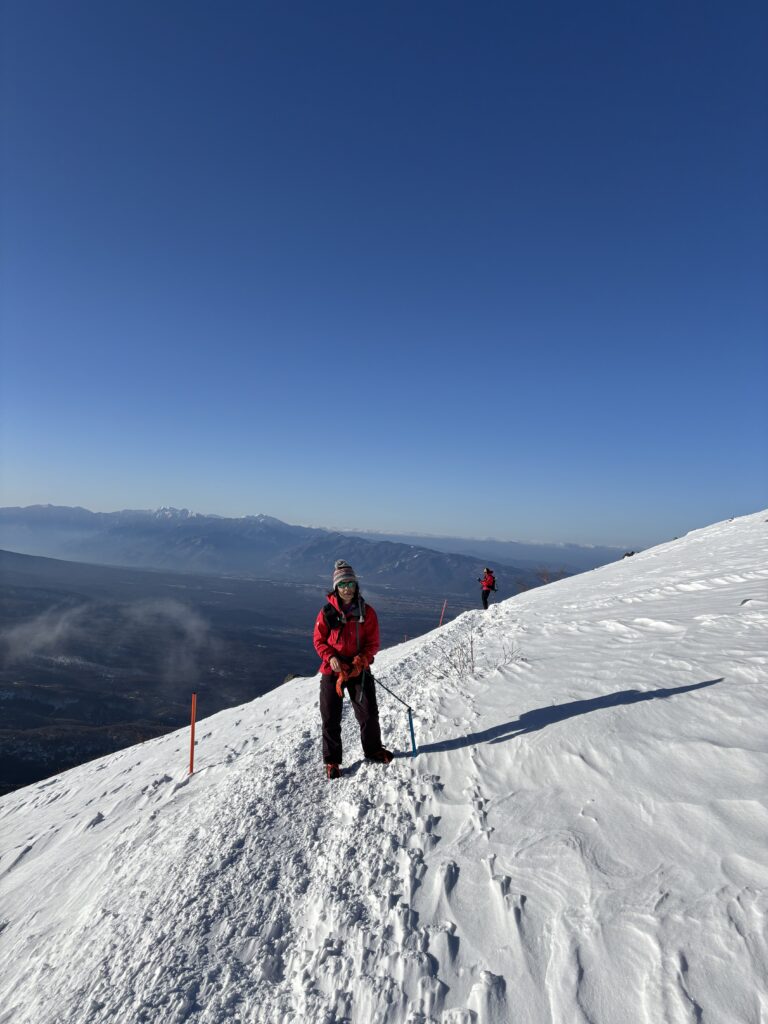
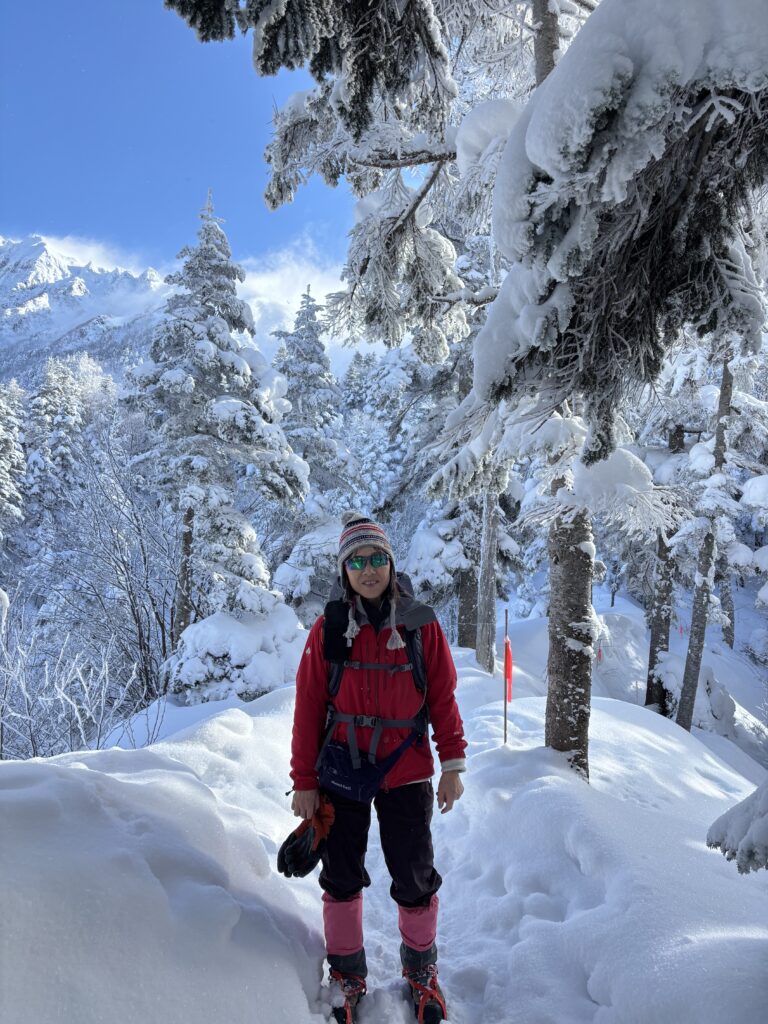
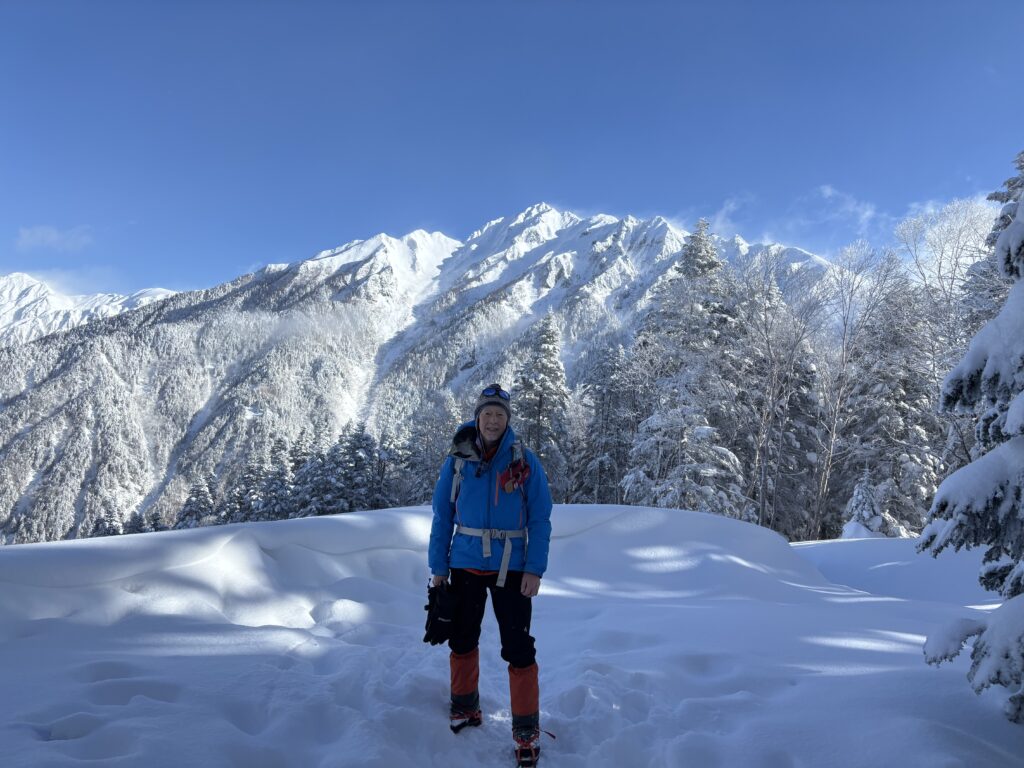
Our journey began in the quiet of the early morning. With headlamps cutting through the darkness, Sachi and I hit the trail at 5:30 a.m. There is a certain stillness in the mountain air at that hour that makes every step feel significant. The trail was well-maintained, marked by the reassuring “stamp” of previous hikers’ footprints frozen into the snow. The squeaking of snow sounds feels good on our feet, a constant, satisfying rhythm of a winter trek.

While Mt. Tateshina is often categorized as a beginner-friendly peak, winter tells a different story. The path is quite steep and craggy with icy snow, requiring steady footwork and focus. At this elevation, two things are non-negotiable:

  • Crampons: Essential for grip on the icy, rock-strewn inclines.
  • Extra Layers: To protect against the dropping temperatures and biting wind, to prevent frostbite.

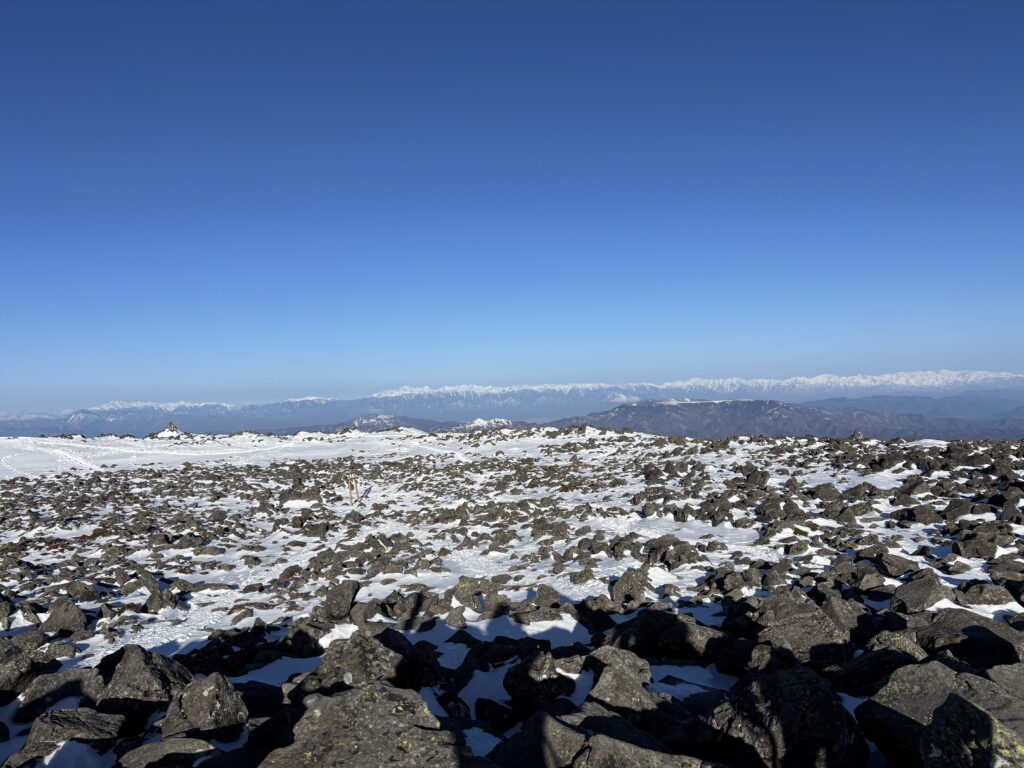
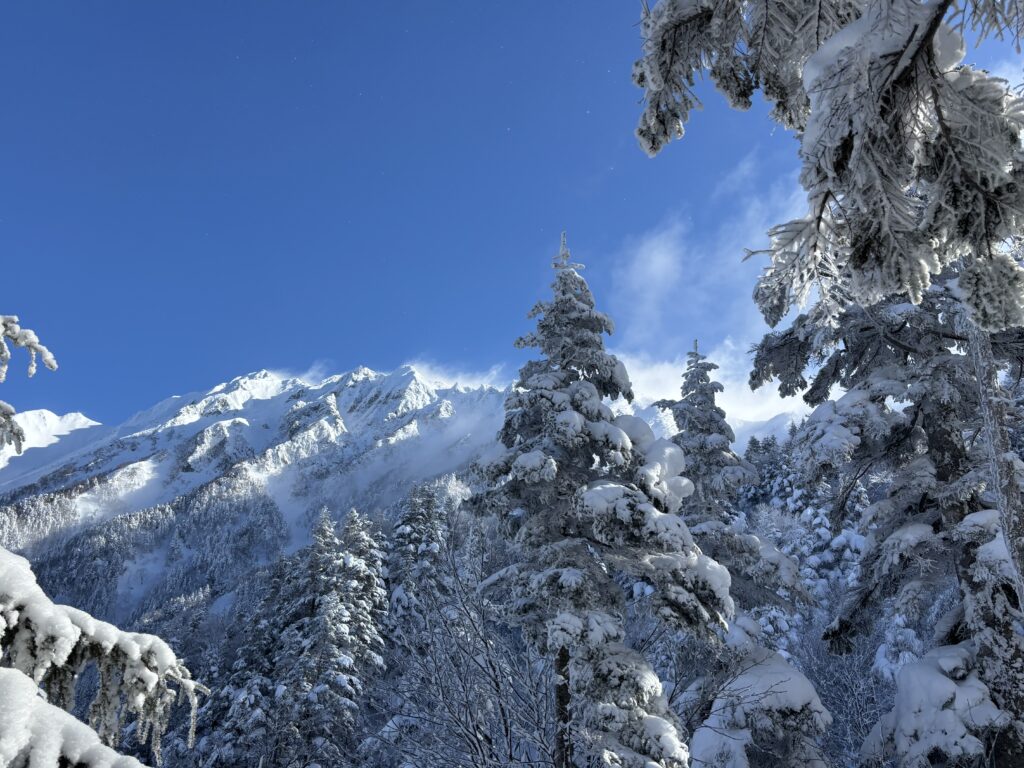
By the time we reached the final stretch toward the peak, the landscape shifted into a massive field of boulders. As you can see in the photos, the rocks are immense, and the wind is relentless. It never seems to stop up there!

The Summit: A 360-Degree Reward

Stepping onto the vast, boulder-strewn plateau of the summit—marked officially at 2530.7m—the wind was fierce, but the reward was even greater. The 360-degree view was simply stunning. From our vantage point, we could clearly see:

  • Mt. Yatsugatake: Standing tall and rugged nearby.
  • The Central and Northern Alps: Stretching across the horizon in a jagged, snow-capped line.
  • Mt. Ontake: Perhaps the most spectacular sight of all—it looked like it was floating in the deep blue sky, isolated and majestic in the distance.

Final Thoughts

Hiking Mt. Tateshina in winter is a reminder that even when you have to turn back once, the mountains will always be there waiting for you when you’re ready. With the right gear, a good partner like Sachi, and a bit of luck with the weather, even a “recovery hike” can turn into a world-class adventure.

2026 Journal

January 29th, 7:00 a.m.

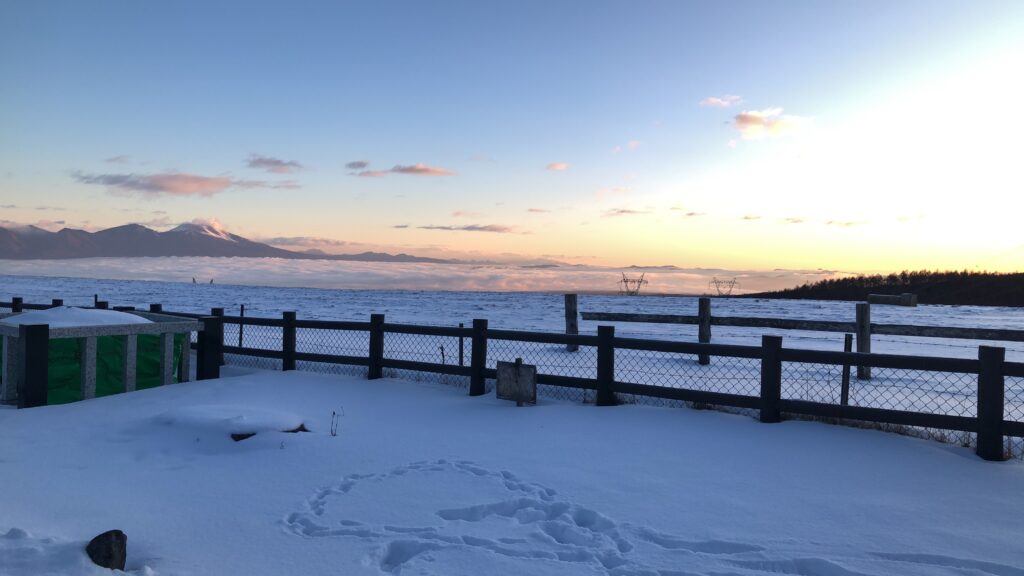
from Tateshina Daini farm parking

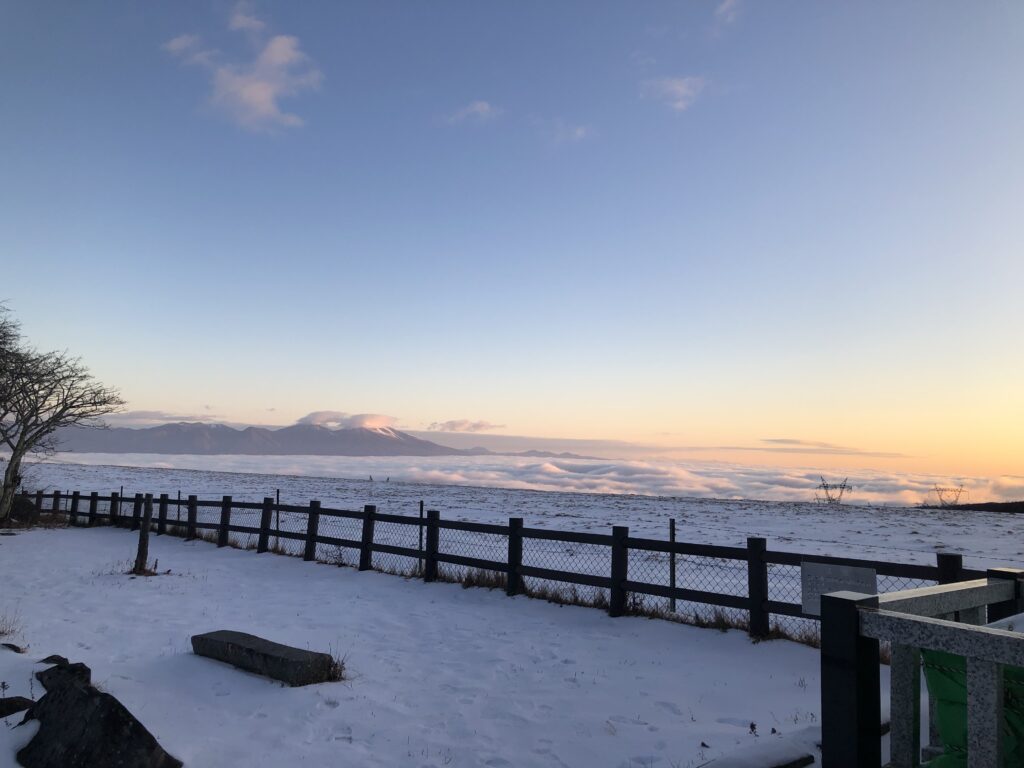
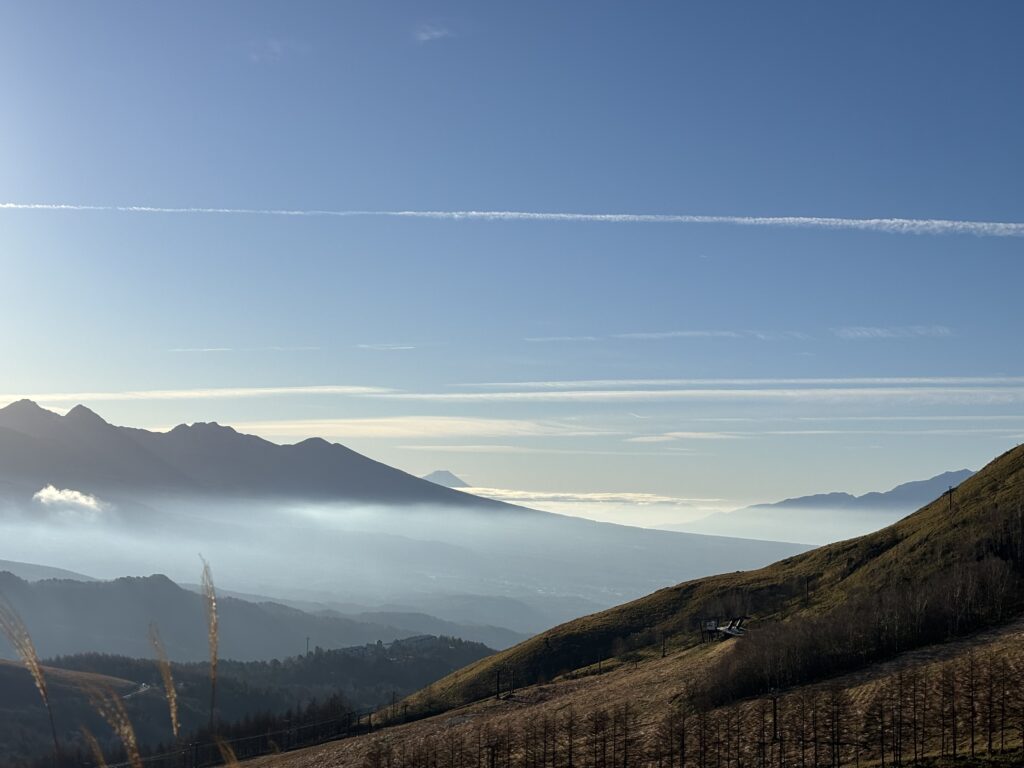
The scenery was stunning. The cold night air formed a sea of clouds, with snow-capped Mt. Asama rising above them.

I pulled over at a parking lot during my commute to capture this moment. It reminded me to take a breath and start the day with a positive mind.
Monday, February, at 4:30 a.m.
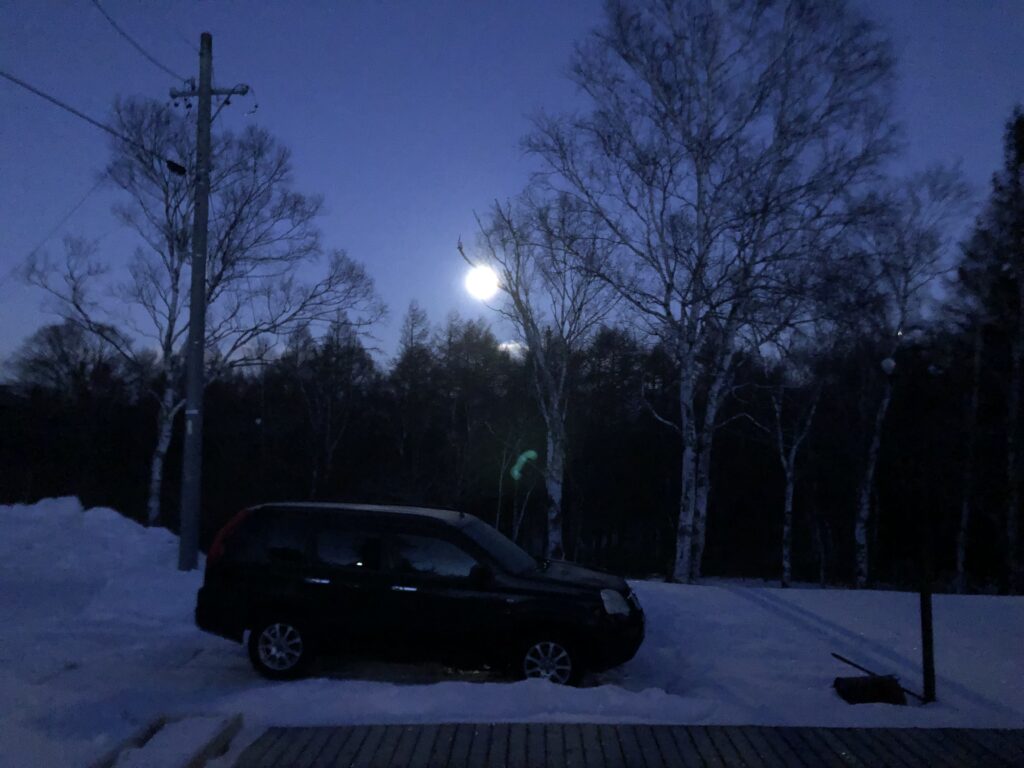
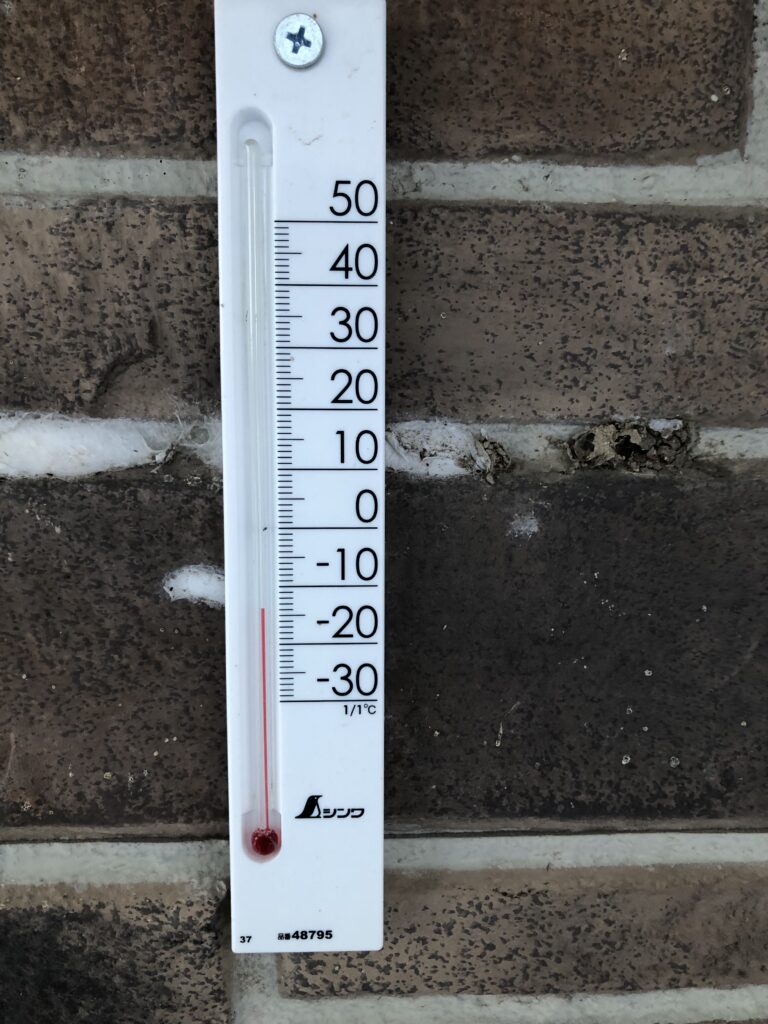
Moonlight at -10°C

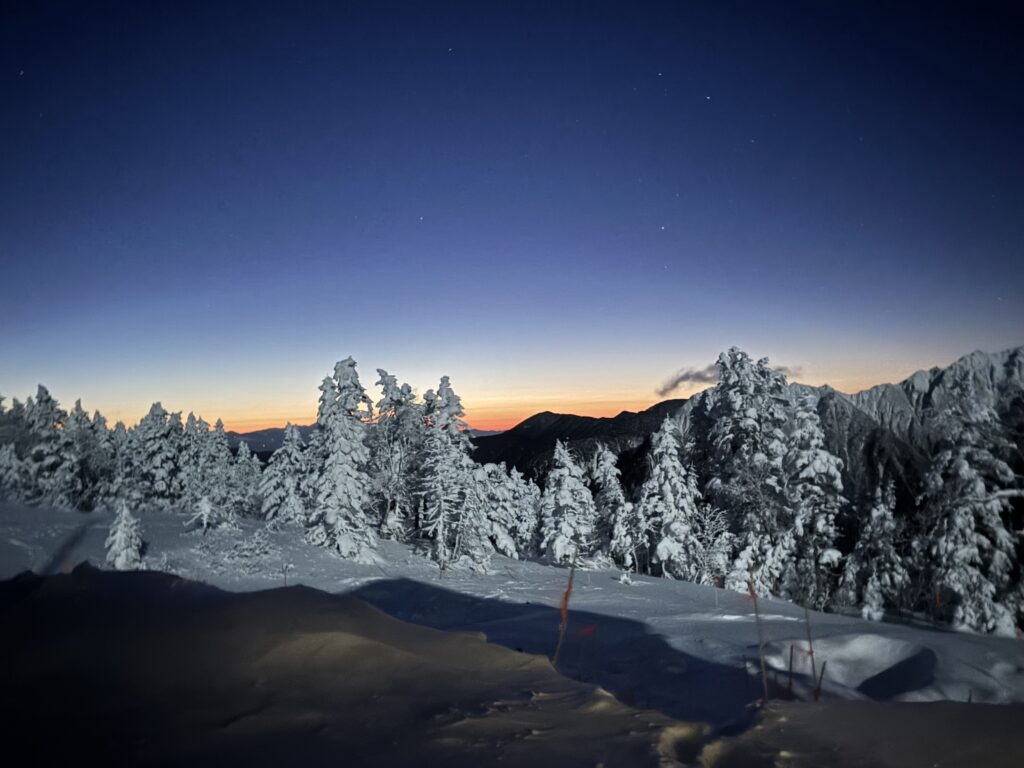
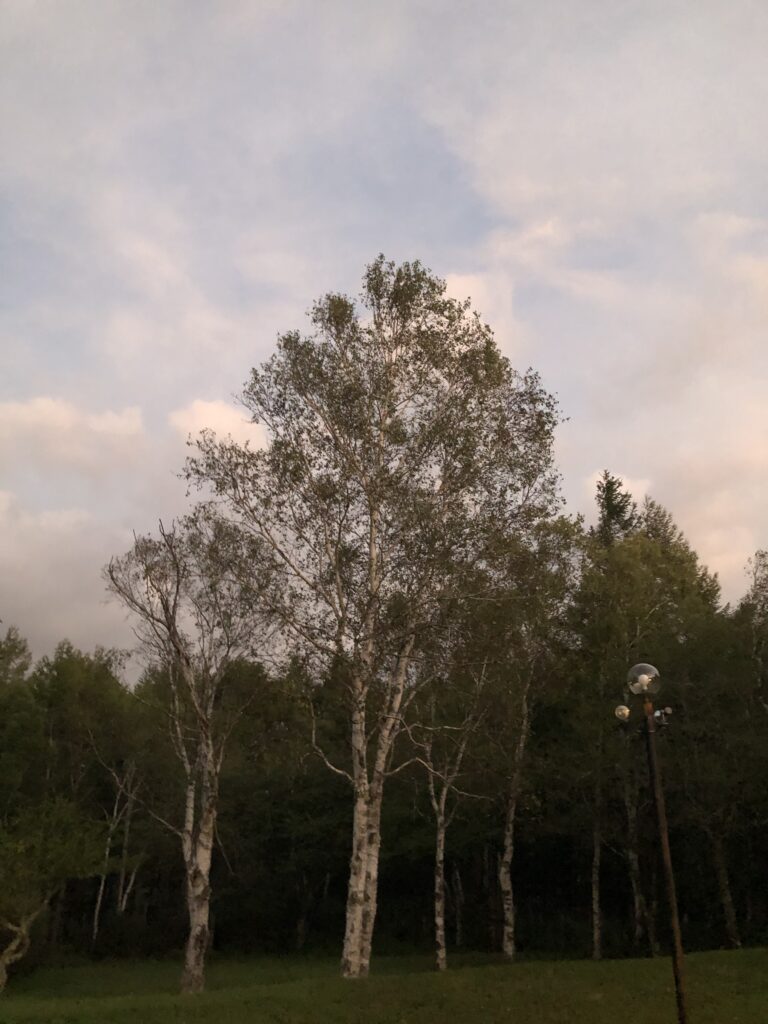
Monday morning, 4:30 a.m. The air is sharp and freezing, but the world is silent. In the crisp winter air of Nagano, the full moon acts like a natural spotlight on the snow and white birch trees. A moment of peace before the school week begins.

Sunday, February 8th, at 8:00
The “Hidden Heroes” of Winter

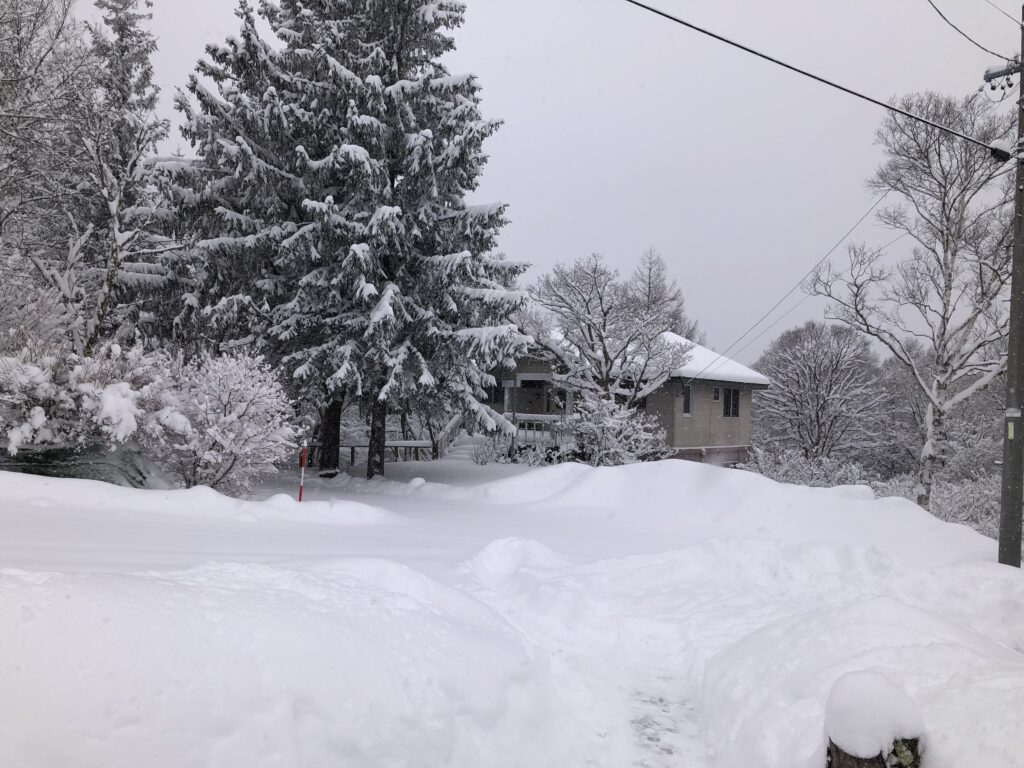
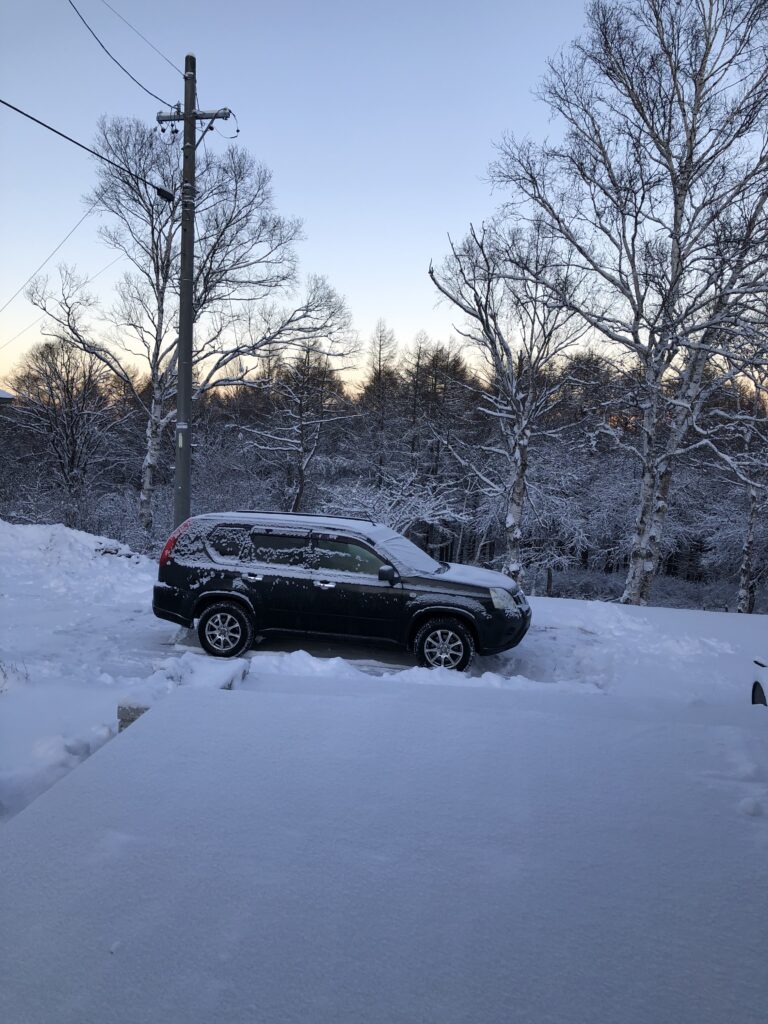
It has been snowing steadily since Saturday afternoon, with over 60 cm of accumulation by this morning. As I was shoveling the walkway and the uphill path in front of my house on Sunday, a snowplow truck arrived. It was a huge help! The driver cleared all the fresh snow from the roads in our neighborhood, making my job much easier.
Sunday, February 8th, was election day. I intended to vote on Sunday morning, but the 50 cm of snow made it impossible. I couldn’t drive to the polling station at the Lake Megami Gym because the roads were buried.”

I finally made it! Thanks to the snowplow, the roads were clear enough for me to drive to the Lake Megami Gym and cast my vote. A huge thank you to the drivers who work so hard in this weather!”

February 28th

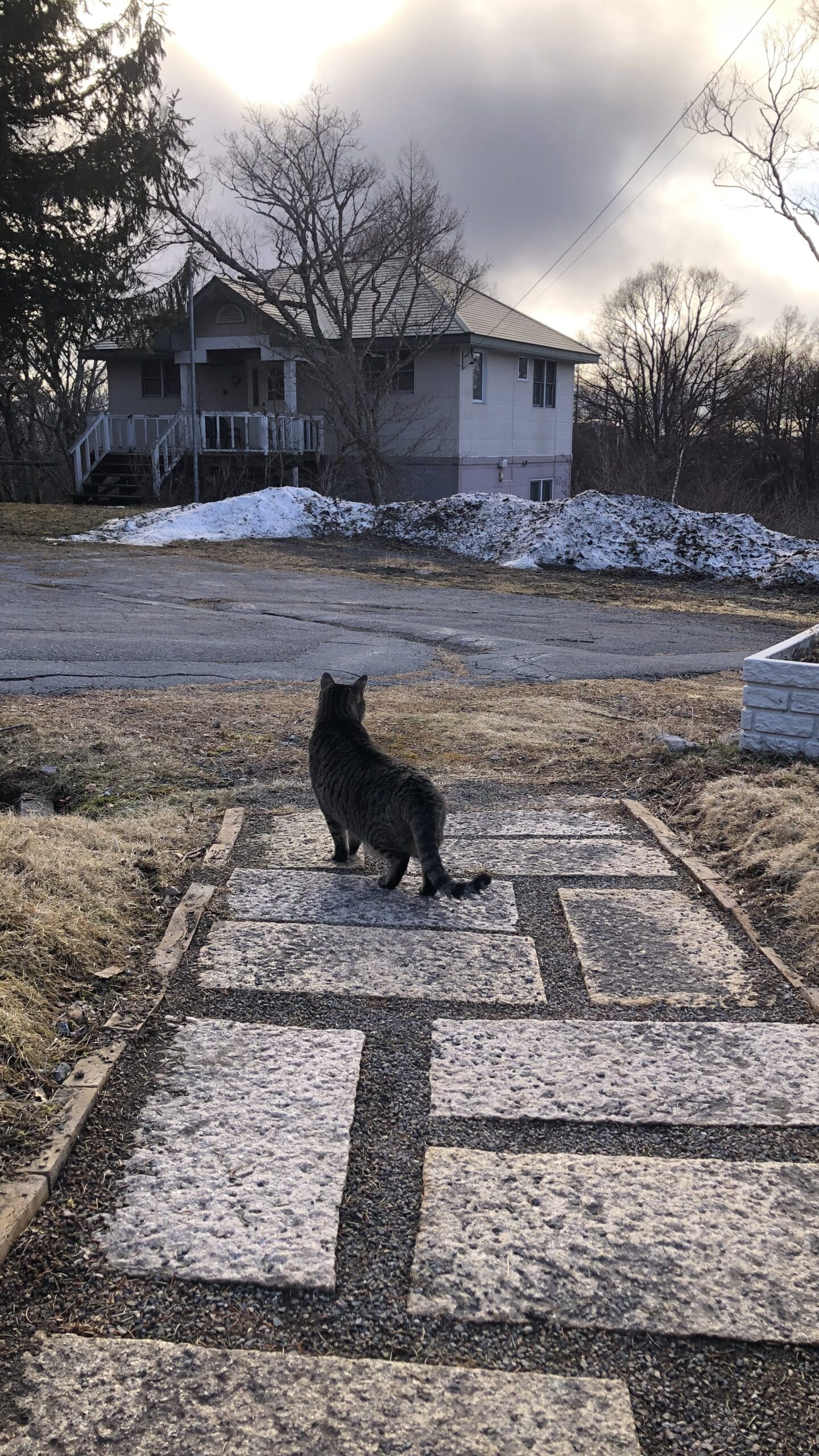
Spring is fast approaching—much earlier than a year ago. Where there was deep snow last year, the ground is now nearly clear. I feel a deep connection to the cycles of life and the changing seasons in this rugged landscape. As we leave winter behind, new sprouts are emerging, and cherry blossoms are preparing to bloom. Tabby and I couldn’t be happier to welcome the spring.

Time flies—next week, it’s already March. It has been four years since I returned from Atlanta, and this season always reminds me that life is a cycle of coming and going. Spring truly is a season of transition. With graduation and entrance ceremonies taking place in schools across the country, we see so many departures and farewells, marking major milestones in people’s lives.”

Red Sky, White Peaks: New Year on Mount Hotaka

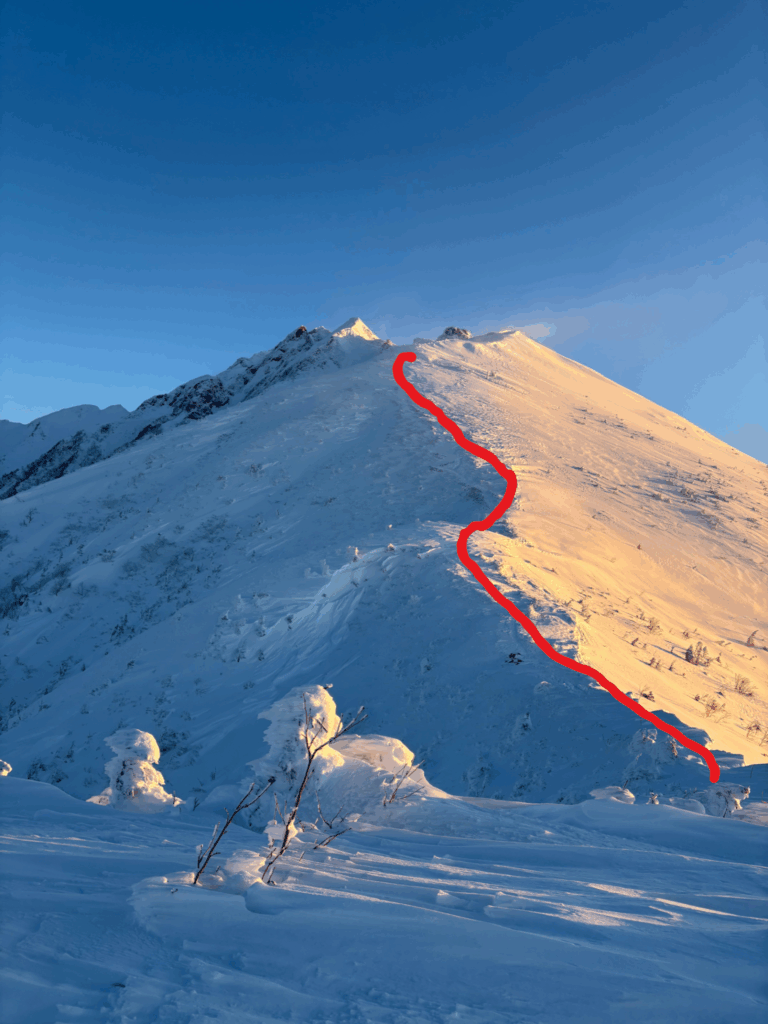
Sunday, January 4th, around 6:30 morning from the middle of the Hodaka mountain range on the way to the Doppyo, 2701 meters by Sachi.

Itinerary:

Day 1: Shinhotaka Ropeway, Hotaka-sanso, Maruyama, stay at the hut.
Day 2: Maruyama, Doppyo

Day 1, Saturday, January 3rd.

6:00 a.m.
Despite a severe winter storm warning issued nationwide, Sachi and I set out early Saturday morning for the Shinhotaka Ropeway in Toyama, located in Chūbu-Sangaku National Park. Heavy snow was falling steadily, but we decided to continue, fully aware of the challenging conditions ahead.

9:15 a.m.
We arrived at the Shinhotaka Ropeway to find only a handful of cars in the parking lot—far fewer than usual. Given the heavy snowfall and storm warnings, the quiet scene was easy to understand.

10:30 a.m.
We arrived at the trailhead station, put on our crampons, and started hiking toward the mountain hut along the snowy trail. The air was cold and fresh, and the new snow felt clean and quiet. Each step made a soft, crunchy sound as we walked through the snowy woods.

On the steeper parts of the trail, the crampons did not work very well because the snow was deep and soft. Near the hut, the trail was hard to see and almost disappeared under the snow. Even so, we could find our way thanks to marker poles placed about every ten meters, pointing us toward the hut.

11:30 a.m.
We arrived at the mountain hut. We had planned to climb Maruyama after a short break, but the weather was poor. Strong winds were blowing, and thick clouds blocked our view. We decided to check in at the hut and prepare for the next day instead.

Day 2, Sunday, January 4th

6:30 a.m.
It was a beautiful morning with clear weather as we set off toward Doppyo (2,701 meters).

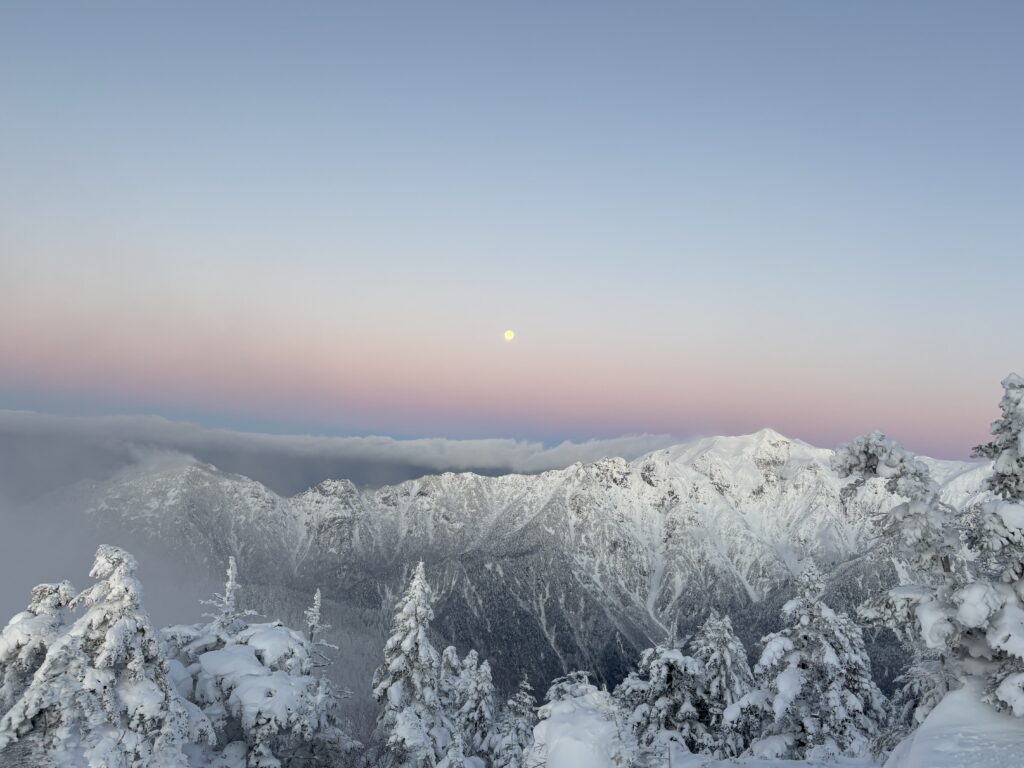
As dawn broke, the sky turned red around the rising sun, revealing stunning mountain views. We could even see Mt. Fuji far in the distance. However, once we reached the ridge, we struggled against strong winds as we continued our ascent. Stopping to take photos or videos was especially difficult—the freezing winds quickly numbed our bare hands, putting us at risk of frostbite.

After two hours of battling the conditions, we unfortunately made the decision to turn back halfway.

Sunday, January 4th, 2026, from Nishihodaka Hut

Afterword

Thank you, Sachi, for everything you prepared. Although the climb was challenging due to strong winds and freezing temperatures, we were deeply impressed by the stunning white mountain scenery.


December 19th, A beautiful morning

Mount Asama with snow-capped from Tateshina Ranch

It is a clear and crisp morning. I saw beautiful mountains with snow-covered peaks.

Saturday, December 26th
It was the coldest morning!

We had our lowest temperature of the winter so far this morning.

A severe winter storm raged, dumping over 20 cm of snow in the past two days. Snowplow trucks were working around our community and mountain roads.

Sunday, December 28
Winter walk, The Lake of Megami

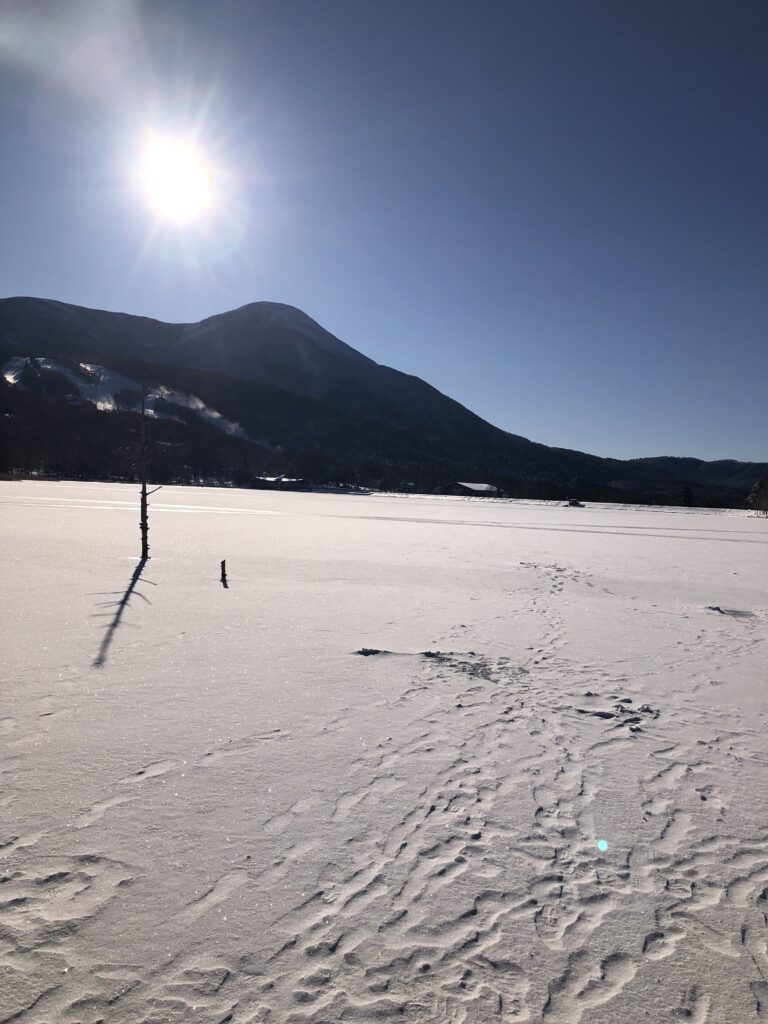
This morning, I walked around the lake. The air was crisp and cold, and the snow under my feet made a soft, satisfying crunch with every step. Despite the chill, the walk felt refreshing, almost grounding. The lake had already frozen over, its surface calm and still. Out on the ice, workers were carefully preparing a track for cars, moving slowly in the winter silence.

Shirakaba Kokusai Ski Resort has been open since last weekend. Families and visitors were out enjoying the snow, their laughter carrying across the slopes. The resort is smaller than many others, but that gives it a gentle, family-friendly atmosphere—unhurried and warm, even in the cold.

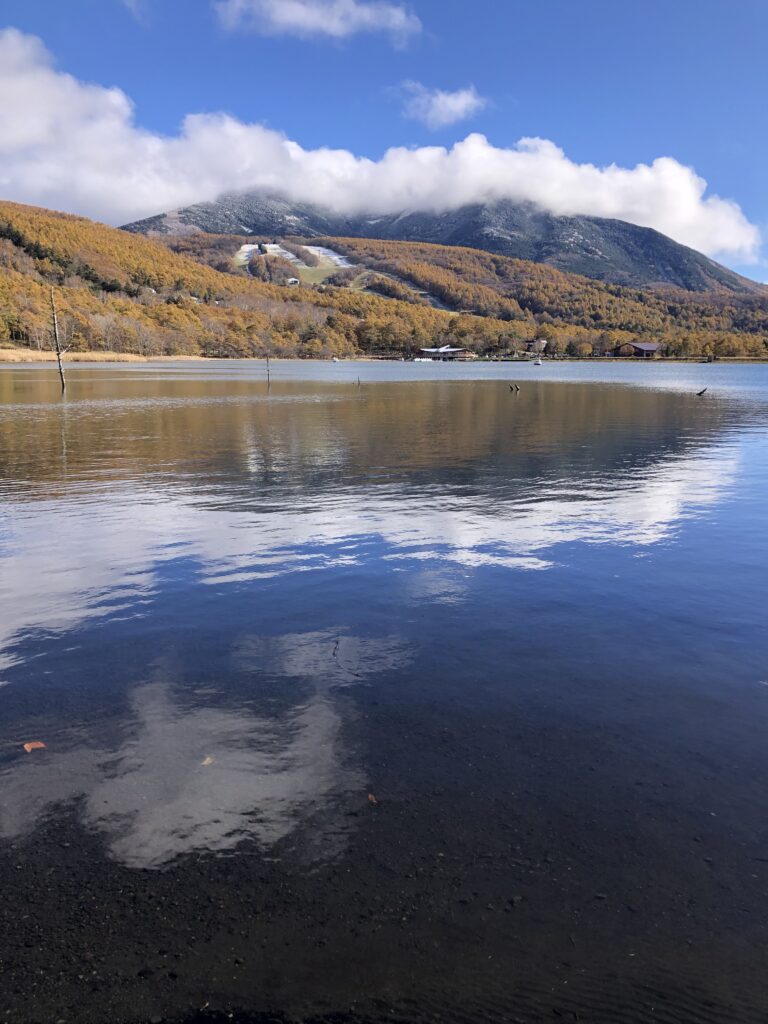
Lake Megami Reflects the Coming Winter, Nov. 3rd

The first snow settles softly on Mount Tateshina,
its pale light reflected in the quiet waters of Lake Megami.
Around it, the last traces of autumn colors fade into the mist,
as the mountains exhale their warmth and welcome the calm breath of winter.

Lately I’ve been getting into roasting my own coffee beans at home. I’ve really been enjoying it—just sipping the fresh coffee on my deck and stargazing early in the morning.

November 23rd, Hiking Kurumayama

We were really lucky with the weather today. We started our hike from the Kurumayama ski-lift ticket center, and it took us about one hour to reach the peak.

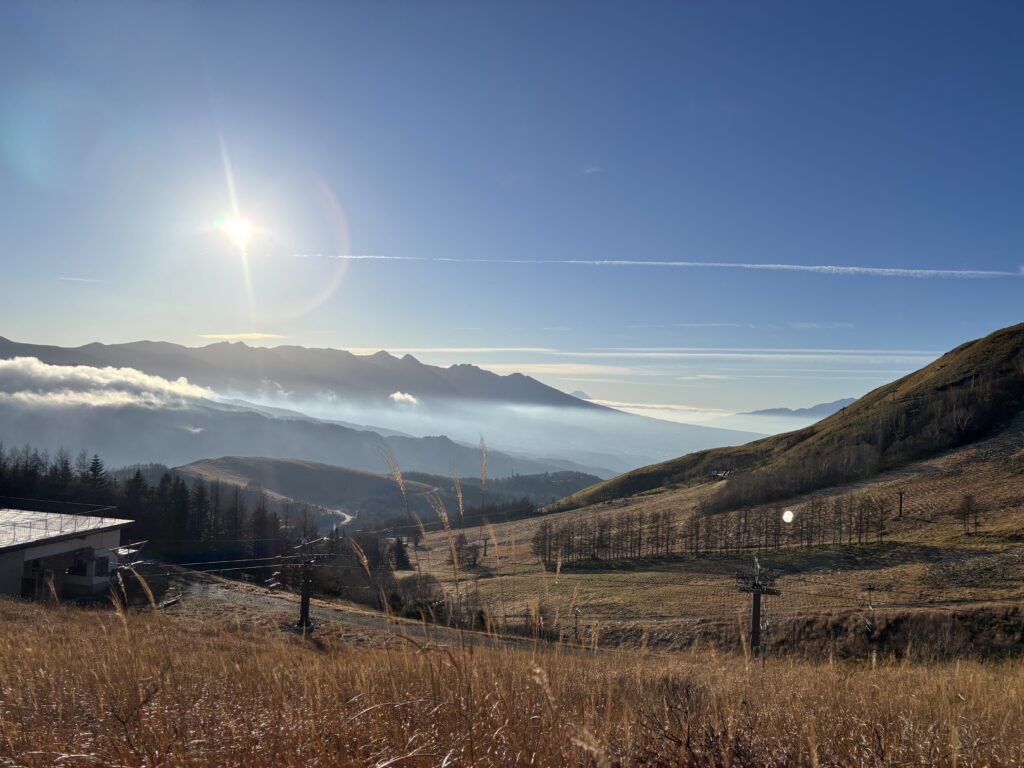
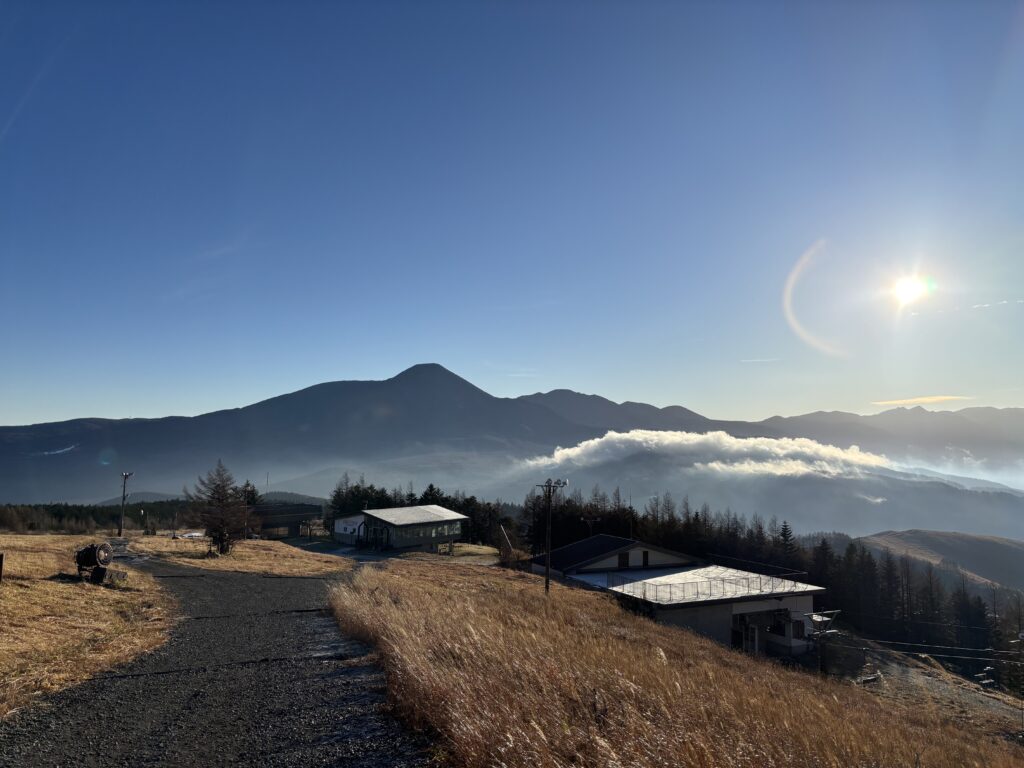
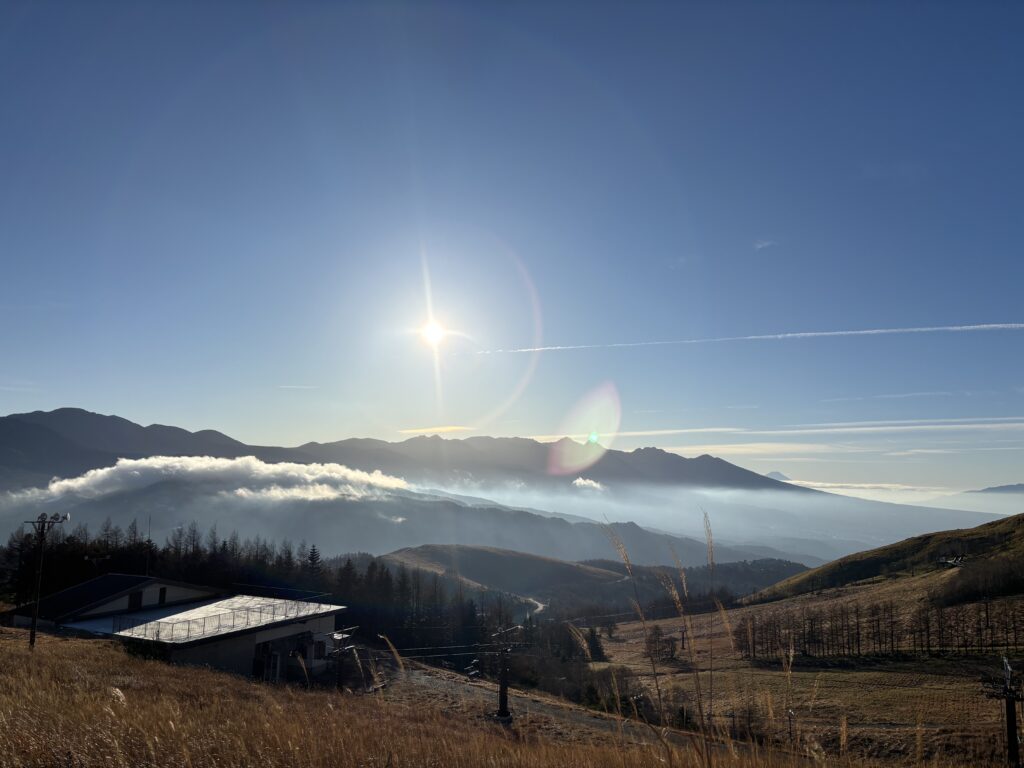
The view was absolutely picturesque—a full 360-degree panorama of the Yatsugatake Mountains, the Central Alps, the Northern Alps, and even Mt. Fuji.

🏔️ Two-Day Adventure to Mt. Nishihotaka-dake (2,901m)

Exploring one of the Northern Alps’ most iconic peaks


Trip Report

🗓️ Day 1 – Saturday, September 20

Weather: Cloudy with periods of rain, worsening later in the day

At 09:00, Sachi and I met Caspar at Shinhotaka Ropeway (新穂高ロープウェイ, Shirakabadaira Station). We took the ropeway up to Nishihotakaguchi Station (2,156m), and despite the cloudy skies, we were excited to begin.

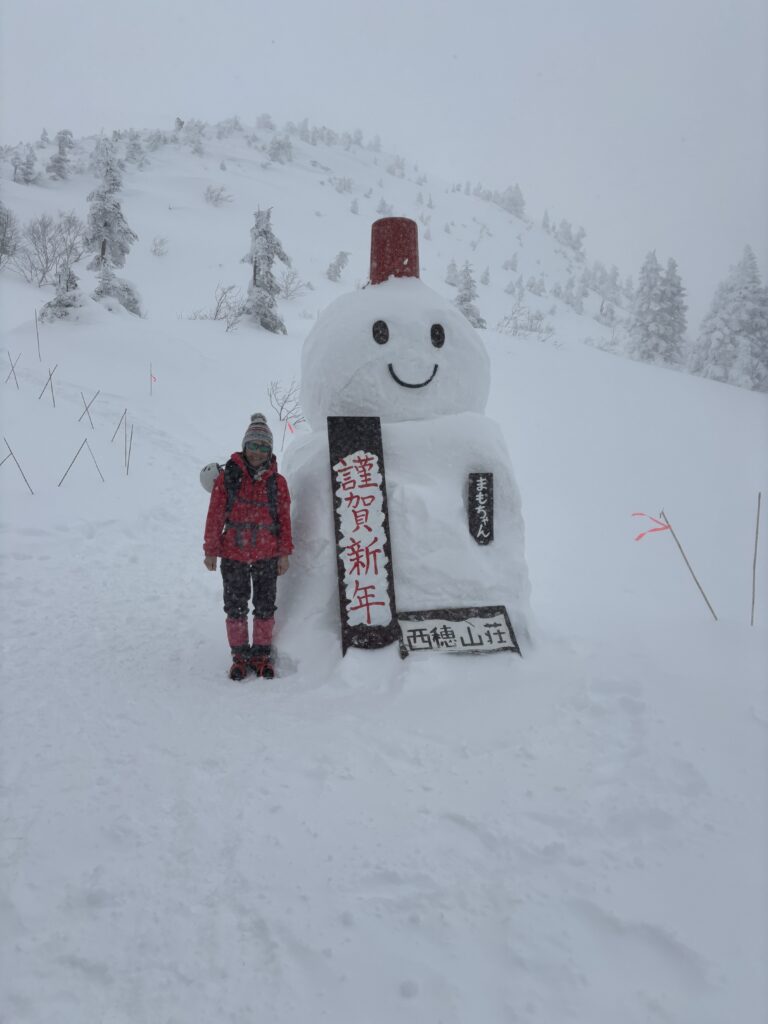
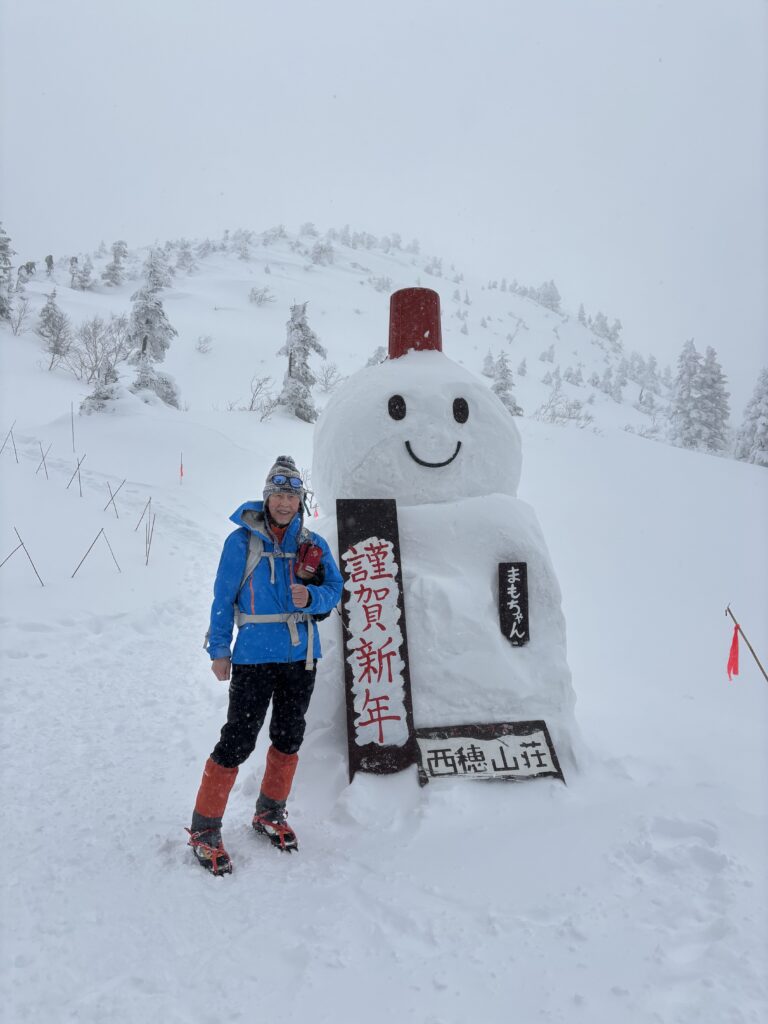
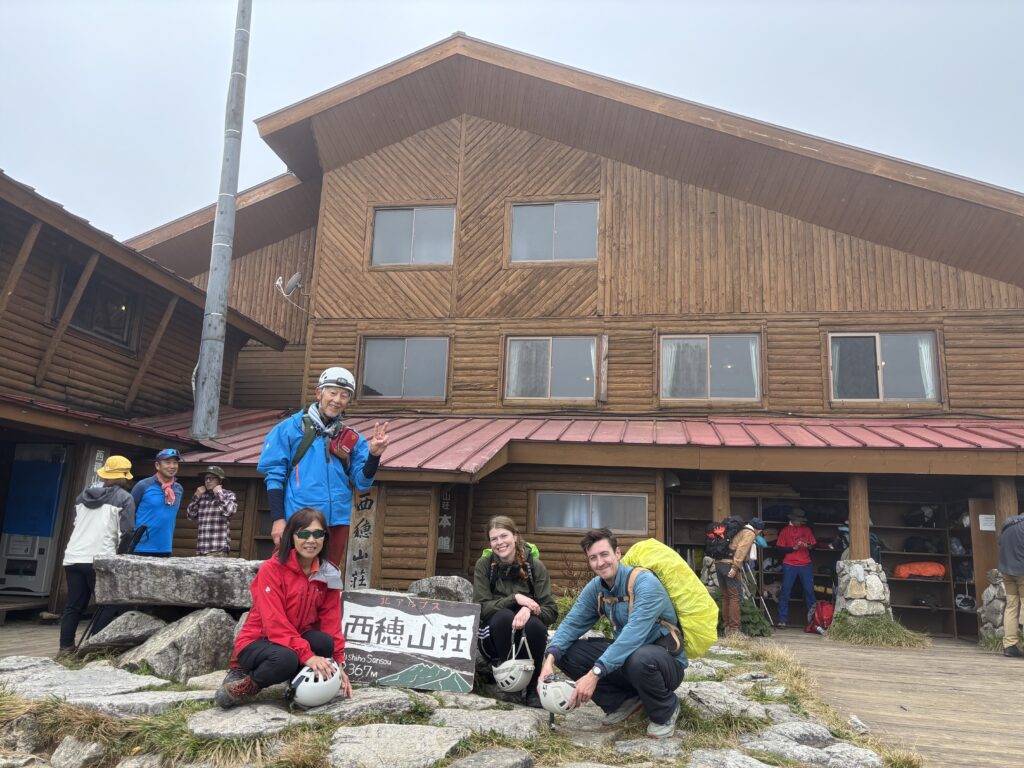
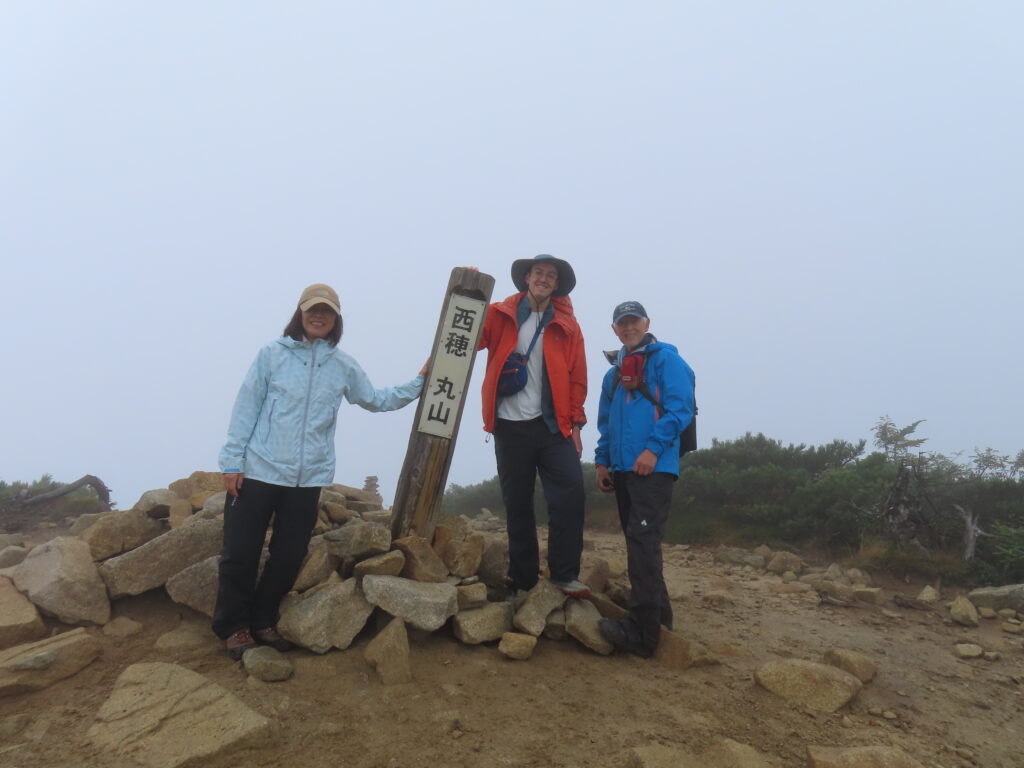
We set off at 10:00, hiking toward Nishihotaka Hut (西穂山荘). The trail started with gentle ups and downs for 15–20 minutes before turning into a steep uphill climb through a misty forest.

By 11:00, we reached the Hut (2,380m) earlier than expected. After a short break, we left our main backpacks at the hut and continued with lighter daypacks for a side trip to Maruyama (丸山, 2,452m), a one-hour round trip. Unfortunately, the weather worsened with heavier rain, wind, and fog, leaving us with no views along the ridge.

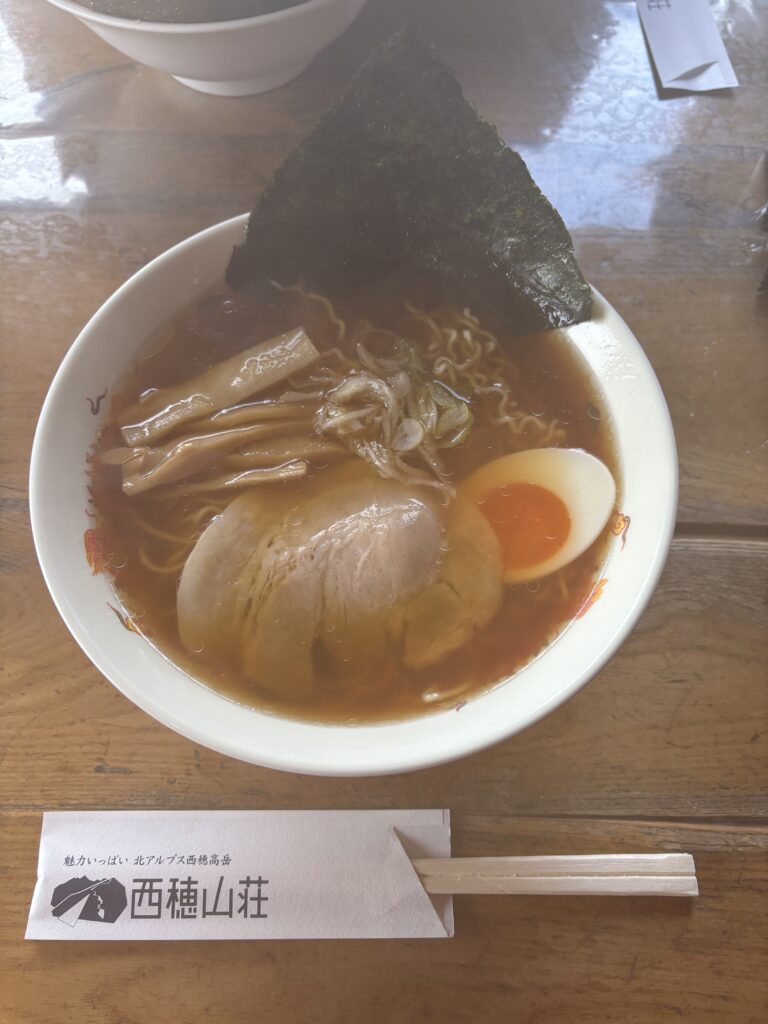
We returned to the hut around 11:45, enjoyed the signature ramen and a cold beer for lunch, then checked into our shared room — Hotaka Room 2, with five hikers in total. In the afternoon, we relaxed in the dining room, where I met a friendly lady from Denmark, in Japan for an internship program. I invited her to join our climb the following day.

The evening was spent over dinner, conversation, and preparing for the early morning start.

Overnight: Nishihotaka Hut (reservation required, or campsite available on a first-come basis)


🗓️ Day 2 – Sunday, September 21

Weather: Heavy rain and strong winds overnight, but clearing. Forecast: cloudy with some sunny intervals after 9.

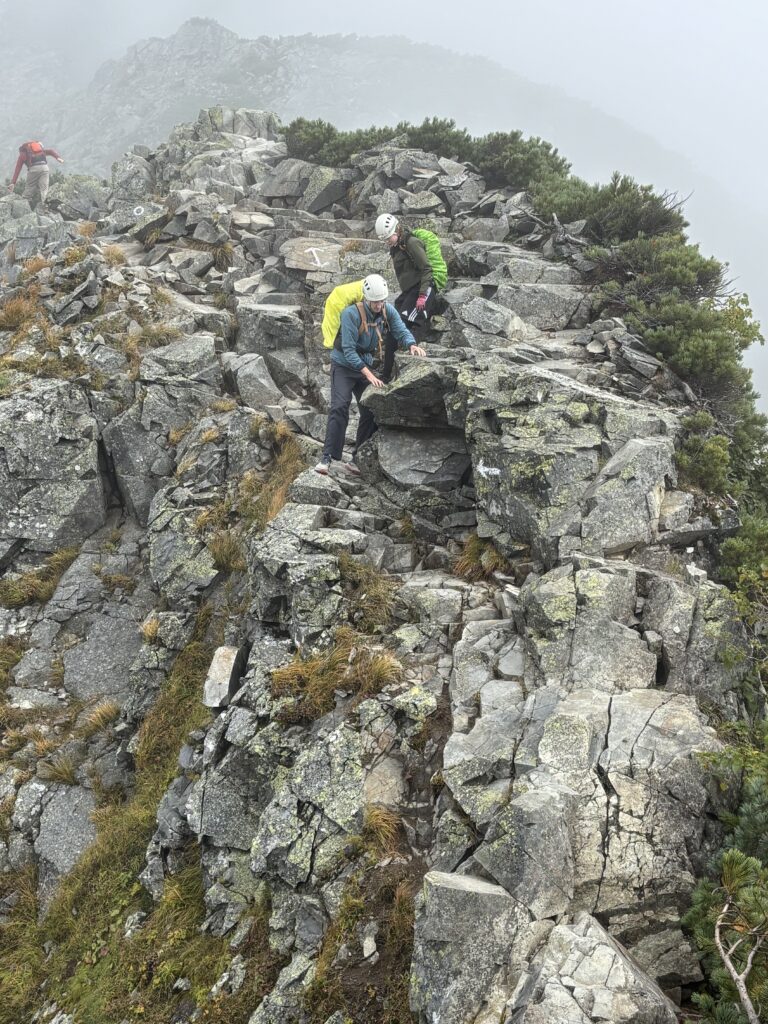
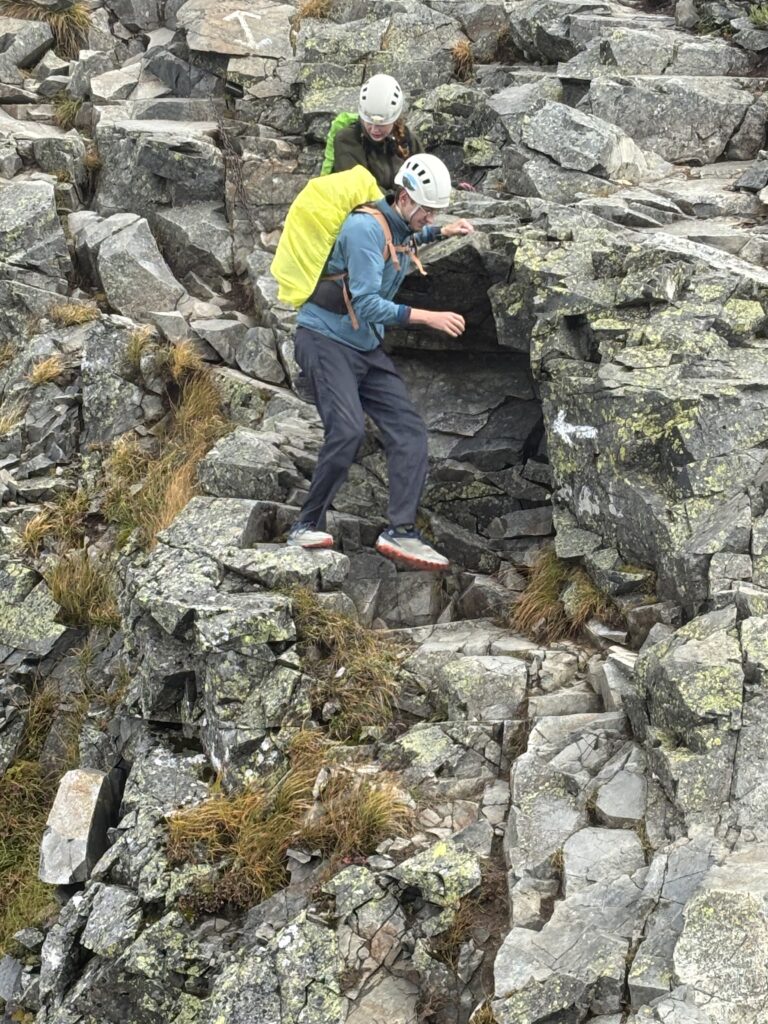
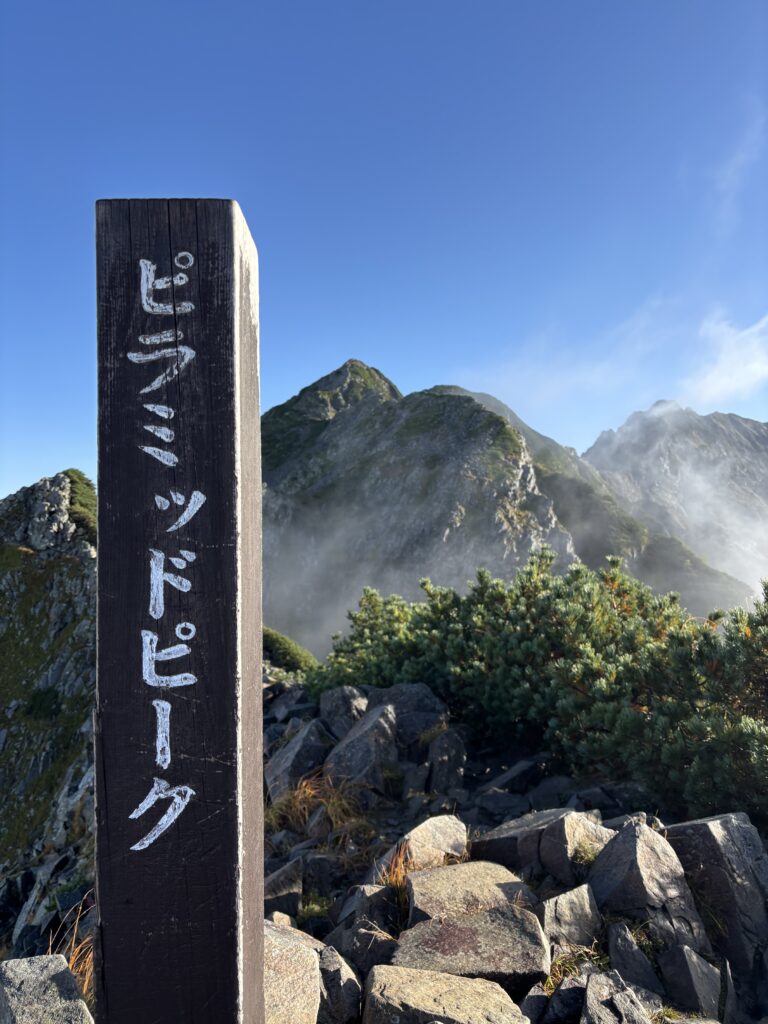
We left the hut at 05:30, heading for the summit. The trail led us past Maruyama, Doppyo, and Pyramid Peak.

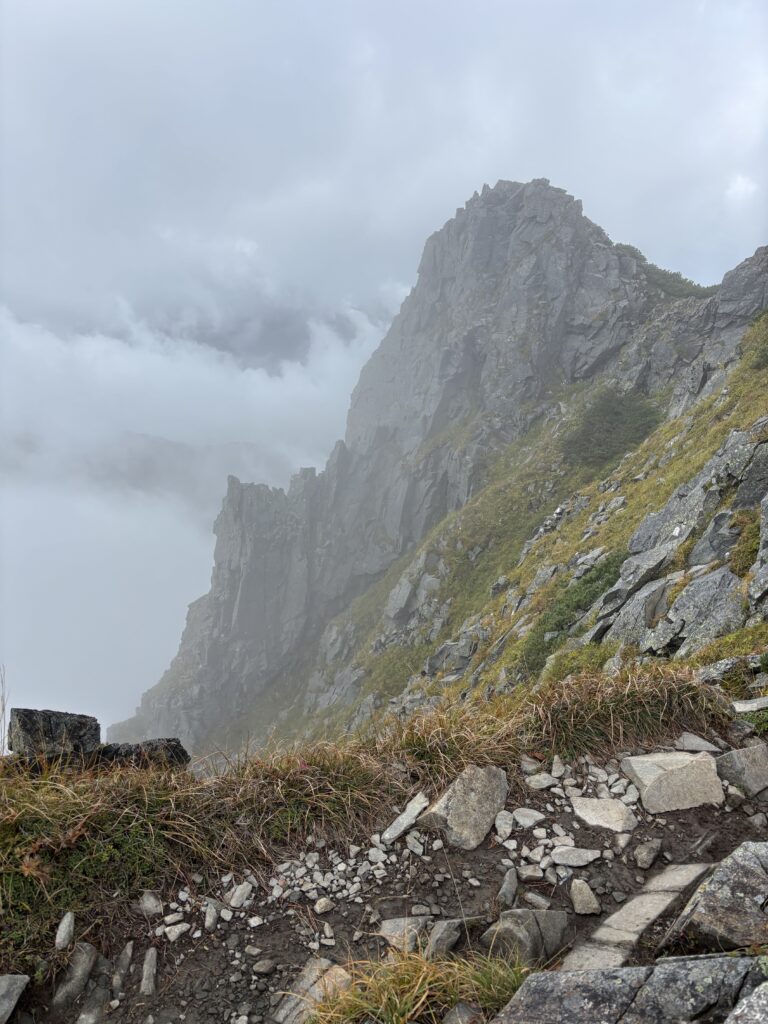
Mount Hotaka Doppyo (2,701m) was the first big challenge — a steep, rocky wall where climbers must move carefully, with a safety chain in place for support. After Doppyo, the trail narrowed into a rugged ridge with constant ups and downs. Some parts required precise footing, but then the clouds suddenly cleared for a short time, revealing stunning alpine views.

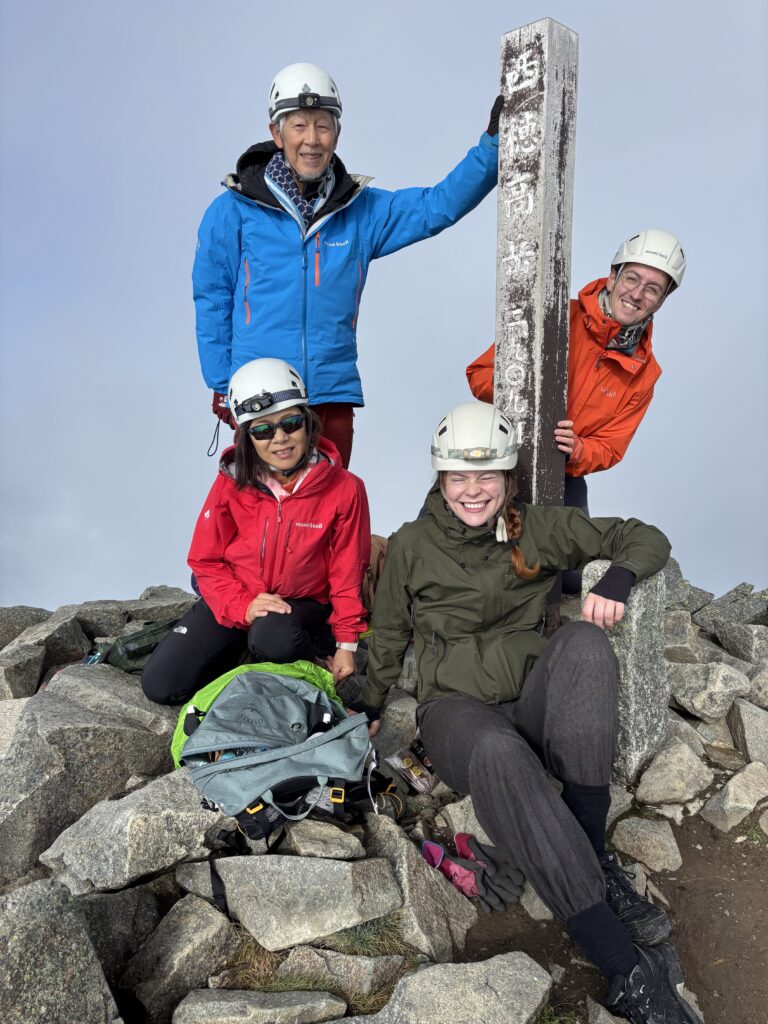
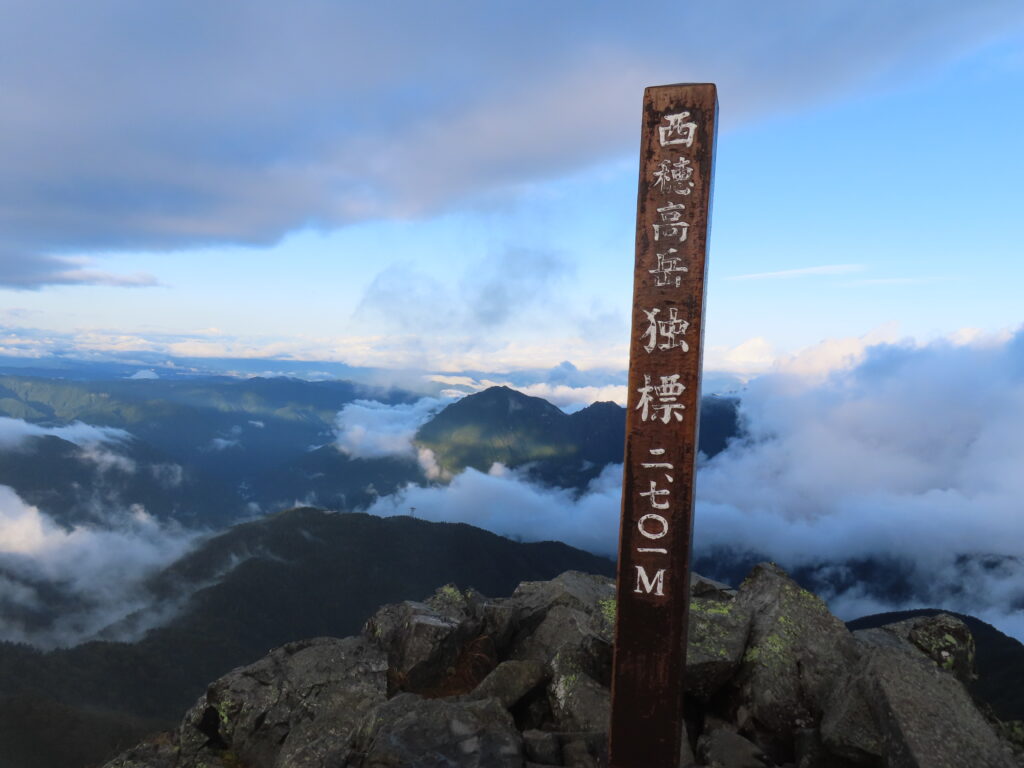
At 08:30, we stood on the summit of Mt. Nishihotaka-dake (2,901m). The moment was unforgettable. Nishihotakadake is one of the most popular peaks in the Northern Alps, but the section from Doppyo to the summit is technical and exposed, recommended only for experienced climbers or those with a guide.

The Top of Mt.Nishihodaka-dake, 2901 m

By 10:30, we had descended safely back to Nishihotaka Hut, where everyone was in good spirits. After a short rest and collecting our gear, we began the descent. The trail down was steady and took about 1.5 hours. From Nishihotakaguchi Station, we rode the ropeway back down to the base and wrapped up our two-day adventure.

Kanji, Sachi(Red), Rosa, Caspar

Reflections

This climb to Mt. Nishihotaka-dake was both challenging and rewarding. Day 1 tested us with rain and fog, but Day 2 brought moments of clear skies and breathtaking views. Sharing the trail with friends — and even new companions we met along the way — made the journey truly memorable.

Afterward

Thanks everyone — and a special shoutout to Sachi for taking the photos and videos that captured our trip so well. Rosa, you must have been scared at times, but you made it to the top — amazing effort. Caspar, thank you for signing up and joining our two-day adventure. I’m so glad we climbed together — see you on the next one!

Whispers of Dawn, September 18th

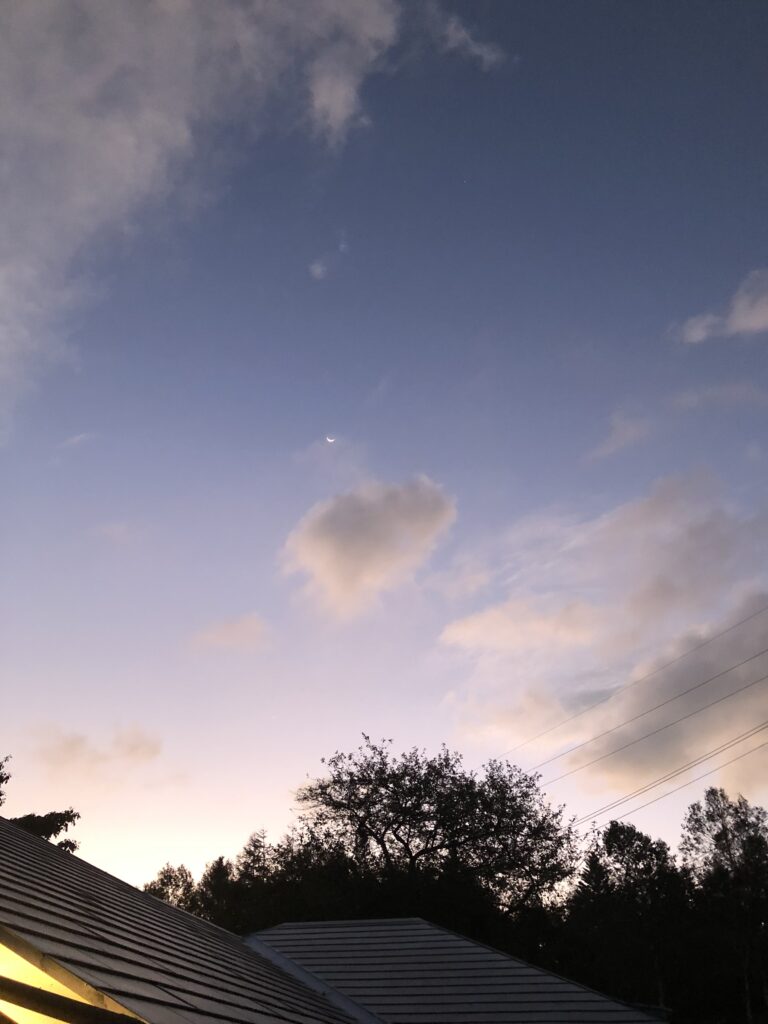
“This morning, I woke to the whisper of trees swaying and dancing in the wind. At 5:00 a.m., the sun began to rise, painting the sky a glowing orange, while the moon lingered quietly above. I brewed a cup of coffee and stepped onto the deck, where Tabby, my cat, greeted me with gentle meows, urging me to join the day.”

Page 1 of 7

Powered by WordPress & Theme by Anders Norén